back-to-top
x
close

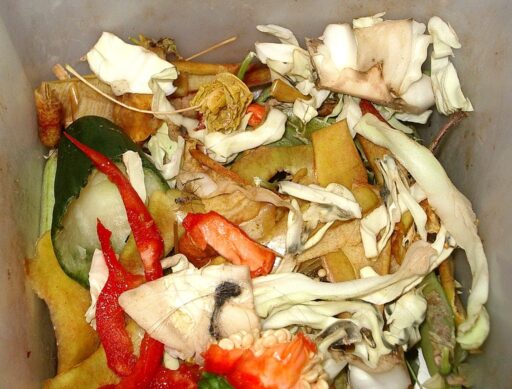
Wasting food negatively affects food security, nutrition, the environment, and the economy. Successfully dealing with it remains a great challenge, especially in northern New Jersey.

In recognition of Hunger Action Month, we wanted to share these shocking facts about food waste in the hope of encouraging others to join us in our mission of rescuing food, reducing waste, and relieving hunger.

Note: These shocking facts about food waste were first published on Earth.org, a leading environmental news website.

  • Roughly one-fifth of the food produced that is intended for human consumption every year – around 1.3 billion tons and valued at $1 trillion – is wasted or lost. That is enough to feed 3 billion people. 
  • Food waste ends up wasting a quarter of our water supply in the form of uneaten food. That’s equated to $172 billion in wasted water.
  • Taking into account all the resources used to grow food, food waste uses up to 21% of freshwater, 19% of fertilizers, 18% of cropland, and 21% of landfill volume.
  • The food currently wasted in Europe could feed 200 million people, in Latin America 300 million people, and in Africa 300 million people. 
  • Annual per capita waste by consumers is between 95-115 kilograms (210-253 pounds) a year for Europeans and North Americans, while in South and Southeast Asia, it is 6-11kgs (13-24 pounds).
  • Food loss and waste account for about 4.4 gigatons of greenhouse gas emissions annually. 
  • Developed and developing countries waste or lose roughly the same amount of food every year, at 670 and 630 million tons respectively. Around 88 million tons of this is in the EU alone.
  • Breaking it down by food group, losses, and waste per year are roughly 30% for cereals, 40-50% for root crops and fruit and vegetables, 20% for oil seed and meat and dairy, and 35% for fish. 
  • If 25% of the food currently being lost or wasted globally was saved, it would be enough to feed 870 million people around the world. 
  • In developing countries, 40% of losses occur at the post-harvest and processing stages, while more than 40% of losses in developed countries occur at the retail and consumer levels. 
  • At the retail level, large quantities of food are wasted because of an emphasis on appearance half of all produce is thrown away in the US because it is deemed too “ugly” to eat; this amounts to 60 million tons of fruits and vegetables. 

As New Jersey’s first and largest food rescue, our mission is to reduce food waste and provide nourishment to our food-insecure neighbors throughout North Jersey. We rescue millions of pounds of fresh food annually that would otherwise be wasted and end up in landfills. This contributes to climate change. We deliver it to partner organizations who support the nearly 1 million people in our area who need it most.

Together, we can reduce food waste and make a positive impact on the planet. Every little bit of effort—no matter how small—leads to change.

Join us in congratulating Alexandria, Table to Table’s August Volunteer of the Month. Congratulations, Alexandria! Alexandria is a student attending Mahwah High School.

“Through Table to Table, I’ve become more connected with my community, and volunteering for this organization allows me to fill hearts and stomachs rather than landfills,” Alexandria said. “Knowing I helped bring a meal to a table gives me a great sense of purpose, and above all, seeing the smiles on people’s faces makes it all worthwhile.”

Signing up to be a Table to Table volunteer is easy. Julie Kinner, Table to Table’s VP of Operations, said all you have to do is download the Table to Table I-Rescue app, powered by Food Rescue Hero, on your phone to become a food rescue hero! You’ll complete a simple registration process and volunteer agreement, and then you can get started. The app walks you through every step! 

Volunteers of all ages are welcome to volunteer with our food rescue program. However, the driver must have a valid driver’s license, and a valid vehicle registration and insurance. 

Since we launched, more than 350 volunteers have completed more than 9,600 rescues and delivered more than 2 million pounds of donated food that would have been thrown away.

As New Jersey’s first and largest food rescue, our mission is to reduce food waste and provide nourishment to our food-insecure neighbors throughout North Jersey. We rescue millions of pounds of fresh food annually that would otherwise be wasted and end up in landfills, contributing to climate change. We deliver it to partner organizations who support the nearly 1 million people in our area who need it most.

Together, we can reduce food waste in our home and make a positive impact on the planet. Every little bit of effort—no matter how small–leads to change.

What fruits and vegetables are grown in NJ? When are fruits and vegetables harvested in New Jersey?

New Jersey is famous for its sweet corn and vine-ripened tomatoes. But there are a lot more delicious fruits and vegetables that are grown in New Jersey. We are The Garden State after all. Here is a list of what fruits and vegetable are grown in New Jersey and when they are harvested. Thank you to the New Jersey Agricultural Society for all their hard work on behalf of our state.

  • Apples, July through October (cold storage until spring)
  • Arugula, May through September
  • Asparagus, May, and June
  • Basil, July through September
  • Beets, June through December
  • Blackberries, late July through mid-August
  • Blueberries, July and August
  • Broccoli, June through November
  • Broccoli Rabe, August through November
  • Brussels Sprouts, September through November
  • Cabbage, June through October
  • Cantaloupes, August and September
  • Carrots, June through September (local harvest available from storage through March)
  • Cauliflower, August through November
  • Celeriac/Celery Root, September through November
  • Celery, August through October
  • Chard, May through November
  • Cherries, July
  • Chicories, September and October
  • Corn, June through August
  • Cranberries, October through December
  • Cucumbers, July through October
  • Currants, August
  • Eggplant, July through October
  • Escarole, September and October
  • Fava beans, May and June
  • Fennel, October, and November
  • Fiddleheads, April and May
  • Garlic, July through October (stored year-round)
  • Grapes, September and October
  • Green Beans, July through September
  • Green Onions/Scallions, May through September
  • Kale, June through November
  • Herbs, April through September
  • Kohlrabi, June and July, September and October
  • Leeks, August through December
  • Lettuce, May through October
  • Melons, July through October
  • Mint, spring, and summer
  • Morels, spring
  • Mushrooms (cultivated), year-round
  • Mushrooms (wild), spring through fall
  • Nectarines, August and September
  • Nettles, spring
  • New Potatoes, May
  • Okra, August and September
  • Onions, July through October (stored in winter)
  • Oregano, June through October
  • Parsley, May through November
  • Parsnips, April and May and again October through December
  • Peaches, July through September
  • Pears, August through December
  • Pea Greens, April through June
  • Peas and pea pods, June and July
  • Peppers (sweet), July through October
  • Plums, August and September
  • Potatoes, July through December (available from storage year-round)
  • Pumpkins, September through November
  • Radicchio, September and October
  • Radishes, May through September
  • Raspberries, July through September
  • Rhubarb, May through July
  • Rutabagas, August through November
  • Scallions/Green Onions, May through September
  • Shelling Beans, September through November
  • Snap peas/snow peas/pea pods, June through September
  • Spinach, May through September
  • Squash (summer), July through September
  • Squash (winter), August through December
  • Stinging Nettles, spring
  • Strawberries, June
  • Thyme, May through September
  • Tomatoes, July through September
  • Turnips, August through November (local harvest available from storage through the winter)
  • Watermelons, August through October
  • Winter Squash, August through December
  • Zucchini, July through September
  • Zucchini Blossoms, June and July

As New Jersey’s first and largest food rescue, our mission is to reduce food waste and provide nourishment to our food-insecure neighbors throughout North Jersey. We rescue millions of pounds of fresh food annually that would otherwise be wasted and end up in landfills. This contributes to climate change. We deliver it to partner organizations who support the nearly 1 million people in our area who need it most.

Together, we can reduce food waste in our home and make a positive impact on the planet. Every little bit of effort—no matter how small—leads to change.

Join us in congratulating Jude Kochman, Table to Table’s July Volunteer of the Month.

Jude Kochman has been volunteering with Table to Table since April of 2024. Congratulations on being named the July Volunteer of the Month, Jude!

Signing up to be a Table to Table volunteer is easy. Julie Kinner, Table to Table’s VP of Operations, said all you have to do is download the Table to Table I-Rescue app, powered by Food Rescue Hero, on your phone to become a food rescue hero! You’ll complete a simple registration process and volunteer agreement, and then you can get started. The app walks you through every step! 

Volunteers of all ages are welcome to volunteer with our food rescue program. However, the driver must have a valid driver’s license, and a valid vehicle registration and insurance. 

Since we launched, more than 350 volunteers have completed more than 9,600 rescues and delivered more than 2 million pounds of donated food that would have been thrown away.

As New Jersey’s first and largest food rescue, our mission is to reduce food waste and provide nourishment to our food-insecure neighbors throughout North Jersey. We rescue millions of pounds of fresh food annually that would otherwise be wasted and end up in landfills, contributing to climate change. We deliver it to partner organizations who support the nearly 1 million people in our area who need it most.

Together, we can reduce food waste in our home and make a positive impact on the planet. Every little bit of effort—no matter how small–leads to change.

Brittney Portes from the Montclair State University Community Garden appears on this episode of Table Talk.

In the newest episode of “Table Talk,” we talk about ugly food and go behind the scenes with Brittney Portes from the Montclair State University Community Garden to explore the vibrant world of sustainability, the intriguing concept of ugly food, and the rich diversity of fruits and vegetables cultivated right on campus.

Discover how this thriving garden is more than just a place for plants—it’s a hub for fostering community, promoting environmental stewardship, and challenging conventional beauty standards in produce.

For more Table Talk episodes, visit our YouTube channel.

As New Jersey’s first and largest food rescue, our mission is to reduce food waste and provide nourishment to our food-insecure neighbors throughout North Jersey. We rescue millions of pounds of fresh food annually that would otherwise be wasted and deliver it to partner organizations who support the nearly 1 million people in our area who need it most.

Together, we can reduce food waste in our home and make a positive impact on the planet. Every little bit of effort—no matter how small–leads to change.  

Related

United Community Corporation Delivered Food and Stocked the Refrigerator

Newark, NJ—July 17, 2024—Mayor Ras J. Baraka joined United Community Corporation (UCC) today to cut the ribbon to open the Hyatt Center of Hope’s community refrigerator. The Center of Hope is located at 11 Hawkins Court.

UCC partnered with the city and Table to Table to develop the refrigerator food service and made the first delivery to stock it immediately before the event today. Future deliveries will be made by Table to Table.

Attendees included the H.I.P.P. Afterschool Program, the Devils Youth Foundation, Yendor Arts, and more than 30 youth participating in the city’s summer camp program. The Hyatt Center of Hope is currently expanding to address the needs of senior citizens.

“A basic need of human beings is nourishment, both for the body and the soul,” said Mayor Baraka. “By providing this refrigerator and its contents 24/7 to the neighbors here in the East Ward, we meet both needs, as we feed and affirm the value of these residents to our citywide community. Newark is shrinking our food deserts neighborhood by neighborhood, and infusing these areas with healthful meal essentials to build strong, healthy individuals and families, and improve their quality of life.”

UCC is also providing additional staffing and resources for the center, which provides programs to 30 youth during the school year and 34 during the summer.

“With the installation of our seventh community refrigerator, UCC is taking a pivotal step in combating food insecurity in Newark,” said UCC Executive Director Craig Mainor. “Together, we are ensuring that Newark families have reliable access to fresh and nutritious food, reinforcing our commitment to supporting the well-being and resilience of our community. We are grateful for our partnerships with the Center of Hope, Table to Table and Newark Housing Authority to help bring healthy food directly to communities that need it most.”

The UCC Community Refrigerator program is tackling food insecurity head-on with units that are installed across each of Newark’s five wards. UCC YouthBuild students, under the guidance of a construction manager, design, build and install each of the community refrigerator structures. The refrigerators provide residents with around-the-clock access to staple goods such as milk, juice, cheese, fresh fruits and vegetables, all at no cost.

“As a food rescue nonprofit that has been working in New Jersey for 25 years, Table to Table is committed to keeping quality food out of landfills and ensuring that is reaches communities where it’s most needed,” said Table to Table Executive Director Heather Thompson. “Our goal is to get healthy food into neighborhoods as efficiently as possible, and we’re grateful to partner with the City of Newark and UCC on this wonderful initiative, to make sure this refrigerator remains stocked with fresh, nutritious items. We invite residents to volunteer with us to assist with the twice-weekly transports so we can keep our neighbors nourished.”

“I want to thank the Mayor and all those involved in making this day happen,” said East Ward Council Member Michael J. Silva. “It’s a great day for the City and a great day for the East Ward. As Council Member of the East Ward, it is important to make sure that my residents have a quality of life – a meaning a place to live, are safe, but also making sure they have food on the table. Many people are suffering in today’s society with the cost of housing and groceries. Putting a decent meal on the table for their families is sometimes impossible. But today is a prime example of how the City of Newark, with its seventh food refrigerator, is always putting its residents first.”

Food insecurity is an issue that reaches each of Newark’s five wards. In 2022, sections of each ward were designated as “food deserts” by the state Economic Development Authority. A food desert is defined as a region where people have limited access to healthy and affordable food.

“As a parent and a community leader who thrives on success, there is no worse feeling than trying to comfort or care for a child that’s hungry. Did you know that a child that’s hungry has a harder time trying to listen or learn? We are delighted to have this community refrigerator at the Hyatt Court Hope Center location, which encompasses unity, growth, love, compassion, and honor. I look forward to watching this program grow like flowers throughout the City of Newark and I take pride in knowing that children and families will be positively affected by it,” said Ms. Mincey.

The initiative expanded since UCC’s first refrigerator was installed at 106 Ann Street in the city’s East Ward. In addition to the recent launch of the community refrigerator at Hyatt Court, the agency currently operates units in Newark outside Fulton Street Emergency Shelter at 31 Fulton Street, The Village Housing Complex at 332 South 8th Street, La Casa de Don Pedro at its 39 Broadway location, in the Shani Baraka Women’s Center, and at 1916 Springfield Avenue, in Maplewood.

UCC’s community refrigerator program is made possible through the support of various partners including the Devils Youth Foundation, the Office of Faith-Based Initiatives, Wellpoint, the Community FoodBank of New Jersey, MEND, Investors Bank, and the Presbytery of Northeast New Jersey.

Alongside this effort, UCC hosts routine distribution events in the city. Fresh groceries and boxed foods are a staple at any event, while providing other outreach resources.

Related:

Food insecurity is a significant problem that affects a large number of students worldwide on college campuses. Food insecurity is defined as the inability to consistently obtain enough reasonably priced, wholesome food. It can have a significantly impact a student’s health, academics, and general well-being.

Financial hardship is one of the main reasons why college students experience food insecurity. With housing, books, tuition, and other expenses on the rise, many students find it difficult to pay for meals, leaving little to nothing in their budgets. Additionally, providing for their dietary needs may be considerably more difficult for students from low-income families or those who are self-sufficient. Access to wholesome food is further complicated by the unpredictable schedules and time constraints that come with educational expectations, which frequently leave students with little time for work or meal preparation.

Food insecurity has profound impacts on college campuses. Physically, poor diet can result in obesity, chronic illnesses including diabetes and hypertension, malnutrition, and other health issues. Anxiety, sadness, and other psychological problems can be compounded by the stress of not knowing where their next meal will come from, which can have a negative emotional and mental impact on students. Furthermore, a student’s capacity to succeed in college and their academic achievement can both be negatively impacted by food insecurity. Students may find it challenging to concentrate in class, finish tasks, and perform well on tests as a result of cognitive function, memory, and concentration issues caused by hunger and malnutrition.

An impactful strategy is needed to address food insecurity on college campuses. Raising awareness and de-stigmatizing the problem through encouraging open discussion and offering assistance to students who require it are vital first steps.

To give students access to a variety of nutritional food options, colleges and institutions can establish programs like meal assistance programs, and food pantries. These tools must be easily available, and sensitive to cultural differences in order to fulfill the different needs of the student body.

Financial aid guidelines should also be reviewed to make sure that all students’ living costs, including food costs, are sufficiently covered. The availability of grants, and scholarships can ease financial hardships and keep students from having to decide between buying groceries and textbooks.

Another essential component of tackling food insecurity on college campuses is community relationships. By working together with neighborhood food banks, companies, and charitable groups, colleges can reach a wider audience and give college students access to more opportunities and resources.

In the end, eliminating food insecurity on college campuses involves a team effort that puts every student’s performance and well-being first. Through acknowledging the frequency of food insecurity, promoting changes in policy, and putting workable solutions into practice, we may establish a more encouraging educational setting where each student has the chance to succeed.

Note: This blog was written by Steven Faussette, a former Table to Table intern

How to keep your produce fresh isn’t as simple as just putting it in the refrigerator.

Preserving produce like leafy greens, carrots, and apples not only helps you to enjoy fresh fruits and vegetables longer, it can also minimize food waste.

The factors that affect produce freshness are: Temperature, humidity, and how long ago it was harvested before you brought it home, according to an article by The New York Times.

Most refrigerated produce stays fresh longer when sealed, which holds in moisture and protects it from ethylene gas.

How To Keep Produce Fresh

The best ways to keep certain kinds of produce fresh are:

  • Potatoes and sweet potatoes: Don’t refrigerate, store in a cool, dark place, and allow air circulate around it. Keep separate from ethylene-emitting produce like bananas
  • Root and tube produce: Beets, turnips, carrots, parsnips, and ginger: Remove leafy green tops, refrigerate in a plastic bag, or store loose in a refrigerator crisper drawer for up to two weeks.
  • Onions and garlic: Don’t refrigerate, store in a cool, dark low-humid place, keep separate from potatoes, and allow air to circulate around them.
  • Cabbage and its cousins: Refrigerate in a sealed container, uncut heads can go into a refrigerator without a bag, but once cut seal in an airtight container
  • Winter squashes: Store at room temperature and keep away from ethylene-emitting produce
  • Leafy greens: Refrigerate unwashed and seal in zippable plastic bags
  • Apples and pears: Refrigerate in a plastic bag; use a crisper drawer and keep them away from ethylene-emitting produce

As New Jersey’s first and largest food rescue, our mission is to reduce food waste and provide nourishment to our food-insecure neighbors throughout North Jersey. We rescue millions of pounds of fresh food annually that would otherwise be wasted and end up in landfills. This contributes to climate change. We deliver it to partner organizations who support the nearly 1 million people in our area who need it most.

Together, we can reduce food waste in our home and make a positive impact on the planet. Every little bit of effort—no matter how small—leads to change.

Funding will help the non-profit expand its food rescue efforts into Morris County.

Table to Table, considered the state’s first food rescue organization, is the recipient of a $100,000 grant from Impact 100 Garden State for its program, Food Rescue Heroes: Bridging the Gap Between Food Waste & Food Insecurity.

The funding will allow the Saddle Brook-based food rescue nonprofit, which is celebrating its 25th year, to expand its mission of rescuing food, reducing waste, and relieving hunger into Morris County, adding to its existing footprint of Bergen, Essex, Hudson, and Passaic counties.

Food rescue efforts for this grant will be supported by Table to Table I-Rescue, the nonprofit’s volunteer-based app powered by Food Rescue Hero. To volunteer to become a Food Rescue Hero, download the Table to Table
I-Rescue App at  https://tabletotable.org/i-rescue/.

Credit: Table to Table receives a $100,000 grant from Impact100 Garden State | Bernardsville News News | newjerseyhills.com

Funding will help the non-profit expand its food rescue efforts into Morris County.

Table to Table, considered the state’s first food rescue organization, is the recipient of a $100,000 grant from Impact 100 Garden State for its program, Food Rescue Heroes: Bridging the Gap Between Food Waste & Food Insecurity.

The funding will allow the Saddle Brook-based food rescue nonprofit, which is celebrating its 25th year, to expand its mission of rescuing food, reducing waste, and relieving hunger into Morris County, adding to its existing footprint of Bergen, Essex, Hudson, and Passaic counties.

Food rescue efforts for this grant will be supported by Table to Table I-Rescue, the nonprofit’s volunteer-based app powered by Food Rescue Hero. To volunteer to become a Food Rescue Hero, download the Table to Table
I-Rescue App at  https://tabletotable.org/i-rescue/.

Credit: Table to Table receives a $100,000 grant from Impact100 Garden State | Bernardsville News News | newjerseyhills.com