





Credit: WMBC
Tag: donate food near me
In the newest episode of “Table Talk,” we talk about ugly food and go behind the scenes with Brittney Portes from the Montclair State University Community Garden to explore the vibrant world of sustainability, the intriguing concept of ugly food, and the rich diversity of fruits and vegetables cultivated right on campus.
Discover how this thriving garden is more than just a place for plants—it’s a hub for fostering community, promoting environmental stewardship, and challenging conventional beauty standards in produce.
For more Table Talk episodes, visit our YouTube channel.
As New Jersey’s first and largest food rescue, our mission is to reduce food waste and provide nourishment to our food-insecure neighbors throughout North Jersey. We rescue millions of pounds of fresh food annually that would otherwise be wasted and deliver it to partner organizations who support the nearly 1 million people in our area who need it most.
Together, we can reduce food waste in our home and make a positive impact on the planet. Every little bit of effort—no matter how small–leads to change.
Related
United Community Corporation Delivered Food and Stocked the Refrigerator
Newark, NJ—July 17, 2024—Mayor Ras J. Baraka joined United Community Corporation (UCC) today to cut the ribbon to open the Hyatt Center of Hope’s community refrigerator. The Center of Hope is located at 11 Hawkins Court.
UCC partnered with the city and Table to Table to develop the refrigerator food service and made the first delivery to stock it immediately before the event today. Future deliveries will be made by Table to Table.
Attendees included the H.I.P.P. Afterschool Program, the Devils Youth Foundation, Yendor Arts, and more than 30 youth participating in the city’s summer camp program. The Hyatt Center of Hope is currently expanding to address the needs of senior citizens.
“A basic need of human beings is nourishment, both for the body and the soul,” said Mayor Baraka. “By providing this refrigerator and its contents 24/7 to the neighbors here in the East Ward, we meet both needs, as we feed and affirm the value of these residents to our citywide community. Newark is shrinking our food deserts neighborhood by neighborhood, and infusing these areas with healthful meal essentials to build strong, healthy individuals and families, and improve their quality of life.”
UCC is also providing additional staffing and resources for the center, which provides programs to 30 youth during the school year and 34 during the summer.
“With the installation of our seventh community refrigerator, UCC is taking a pivotal step in combating food insecurity in Newark,” said UCC Executive Director Craig Mainor. “Together, we are ensuring that Newark families have reliable access to fresh and nutritious food, reinforcing our commitment to supporting the well-being and resilience of our community. We are grateful for our partnerships with the Center of Hope, Table to Table and Newark Housing Authority to help bring healthy food directly to communities that need it most.”
The UCC Community Refrigerator program is tackling food insecurity head-on with units that are installed across each of Newark’s five wards. UCC YouthBuild students, under the guidance of a construction manager, design, build and install each of the community refrigerator structures. The refrigerators provide residents with around-the-clock access to staple goods such as milk, juice, cheese, fresh fruits and vegetables, all at no cost.
“As a food rescue nonprofit that has been working in New Jersey for 25 years, Table to Table is committed to keeping quality food out of landfills and ensuring that is reaches communities where it’s most needed,” said Table to Table Executive Director Heather Thompson. “Our goal is to get healthy food into neighborhoods as efficiently as possible, and we’re grateful to partner with the City of Newark and UCC on this wonderful initiative, to make sure this refrigerator remains stocked with fresh, nutritious items. We invite residents to volunteer with us to assist with the twice-weekly transports so we can keep our neighbors nourished.”
“I want to thank the Mayor and all those involved in making this day happen,” said East Ward Council Member Michael J. Silva. “It’s a great day for the City and a great day for the East Ward. As Council Member of the East Ward, it is important to make sure that my residents have a quality of life – a meaning a place to live, are safe, but also making sure they have food on the table. Many people are suffering in today’s society with the cost of housing and groceries. Putting a decent meal on the table for their families is sometimes impossible. But today is a prime example of how the City of Newark, with its seventh food refrigerator, is always putting its residents first.”
Food insecurity is an issue that reaches each of Newark’s five wards. In 2022, sections of each ward were designated as “food deserts” by the state Economic Development Authority. A food desert is defined as a region where people have limited access to healthy and affordable food.
“As a parent and a community leader who thrives on success, there is no worse feeling than trying to comfort or care for a child that’s hungry. Did you know that a child that’s hungry has a harder time trying to listen or learn? We are delighted to have this community refrigerator at the Hyatt Court Hope Center location, which encompasses unity, growth, love, compassion, and honor. I look forward to watching this program grow like flowers throughout the City of Newark and I take pride in knowing that children and families will be positively affected by it,” said Ms. Mincey.
The initiative expanded since UCC’s first refrigerator was installed at 106 Ann Street in the city’s East Ward. In addition to the recent launch of the community refrigerator at Hyatt Court, the agency currently operates units in Newark outside Fulton Street Emergency Shelter at 31 Fulton Street, The Village Housing Complex at 332 South 8th Street, La Casa de Don Pedro at its 39 Broadway location, in the Shani Baraka Women’s Center, and at 1916 Springfield Avenue, in Maplewood.
UCC’s community refrigerator program is made possible through the support of various partners including the Devils Youth Foundation, the Office of Faith-Based Initiatives, Wellpoint, the Community FoodBank of New Jersey, MEND, Investors Bank, and the Presbytery of Northeast New Jersey.
Alongside this effort, UCC hosts routine distribution events in the city. Fresh groceries and boxed foods are a staple at any event, while providing other outreach resources.
Related:
NEWARK, N.J. (PIX11) — A new community food pantry has opened in Newark, providing not only canned goods, but fresh items, including meat and dairy.
“These community refrigerators are essentially accessible 24/7,” said Heather Thompson, Executive Director of Table to Table. “The beauty of the refrigerator is that it can stock those items that tend to be more expensive and more difficult for people to get.”
Credit: PIX11
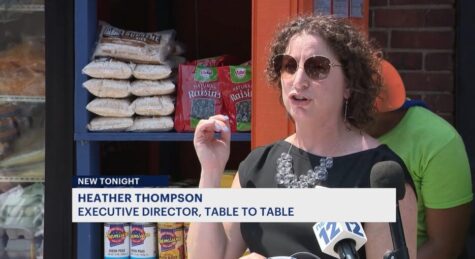
Organizers say the refrigerator will help bring fresh food to those in need in the community.
An organization in Newark is hoping to address and reduce food insecurity with the installation of a new community refrigerator. The newest community refrigerator just opened at Hyatt Court.
All of the items inside are free for those in need in the community.
“It’s about getting the right food to the right communities at the right time and this model of community refrigerators that are accessible 24/7 for the neighbors right here is truly as good as it gets,” said Heather Thompson, the Executive Director for Table to Table. “This model allowed people to not have to worry about whether their work schedule is at the same time as this week’s distribution or whether they need to find child care, so they can go stand in line and wait for food. They can come get what they need when they need it.”
The refrigerator is a collaborative effort between the United Community Corporation, Table to Table, and the Hyatt Center of Hope.
There are seven community refrigerators in total – six of them in Newark and one in Maplewood. They provide around-the-clock access to staple goods such as milk, juice, cheese, fresh fruits and vegetables at no cost to those in need.
“It’s an opportunity for people in the community to get access to this food a couple of times a week without pay, as long as it is available. Especially with the high cost of living and the high cost of groceries, the high cost of rent – the high cost of everything in this country, in this state,” said Newark Mayor Ras Baraka. “This makes this incredibly important now than any other time.”
The Community Refrigerator at Hyatt Court will be stocked by Table to Table on Mondays and Wednesdays.
Credit: News 12 New Jersey

Food insecurity is a significant problem that affects a large number of students worldwide on college campuses. Food insecurity is defined as the inability to consistently obtain enough reasonably priced, wholesome food. It can have a significantly impact a student’s health, academics, and general well-being.
Financial hardship is one of the main reasons why college students experience food insecurity. With housing, books, tuition, and other expenses on the rise, many students find it difficult to pay for meals, leaving little to nothing in their budgets. Additionally, providing for their dietary needs may be considerably more difficult for students from low-income families or those who are self-sufficient. Access to wholesome food is further complicated by the unpredictable schedules and time constraints that come with educational expectations, which frequently leave students with little time for work or meal preparation.
Food insecurity has profound impacts on college campuses. Physically, poor diet can result in obesity, chronic illnesses including diabetes and hypertension, malnutrition, and other health issues. Anxiety, sadness, and other psychological problems can be compounded by the stress of not knowing where their next meal will come from, which can have a negative emotional and mental impact on students. Furthermore, a student’s capacity to succeed in college and their academic achievement can both be negatively impacted by food insecurity. Students may find it challenging to concentrate in class, finish tasks, and perform well on tests as a result of cognitive function, memory, and concentration issues caused by hunger and malnutrition.
An impactful strategy is needed to address food insecurity on college campuses. Raising awareness and de-stigmatizing the problem through encouraging open discussion and offering assistance to students who require it are vital first steps.
To give students access to a variety of nutritional food options, colleges and institutions can establish programs like meal assistance programs, and food pantries. These tools must be easily available, and sensitive to cultural differences in order to fulfill the different needs of the student body.
Financial aid guidelines should also be reviewed to make sure that all students’ living costs, including food costs, are sufficiently covered. The availability of grants, and scholarships can ease financial hardships and keep students from having to decide between buying groceries and textbooks.
Another essential component of tackling food insecurity on college campuses is community relationships. By working together with neighborhood food banks, companies, and charitable groups, colleges can reach a wider audience and give college students access to more opportunities and resources.
In the end, eliminating food insecurity on college campuses involves a team effort that puts every student’s performance and well-being first. Through acknowledging the frequency of food insecurity, promoting changes in policy, and putting workable solutions into practice, we may establish a more encouraging educational setting where each student has the chance to succeed.
Note: This blog was written by Steven Faussette, a former Table to Table intern

Every one of us has, at some point, opened our refrigerator to find leftover food from meals prepared earlier in the week. Our first reaction is typically a pang of guilt at the sight of the limp green beans, dry chicken or wilted lettuce. The feeling of guilt is valid. Food waste is a big issue – but the good news is that there are easy ways we can all reduce it right in our own homes. Read on for some tips on how you can get started today!
Buy Only What You Need
The first step to reducing food waste is to make sure you’re buying what you really need at the grocery store and that means you should focus on meal planning. It sounds like a chore, but it’s truly a game-changer. Simply take a few minutes at the start of the week to plan out your meals. This way, you buy only what you need at the grocery store and avoid those impulse purchases that often end up going to waste. And, by following a recipe and making a grocery list, you can purchase the proper quantities of ingredients, so your food gets used. Plus, it can save you money in the long run and that’s a win-win!
Understand Package Dates
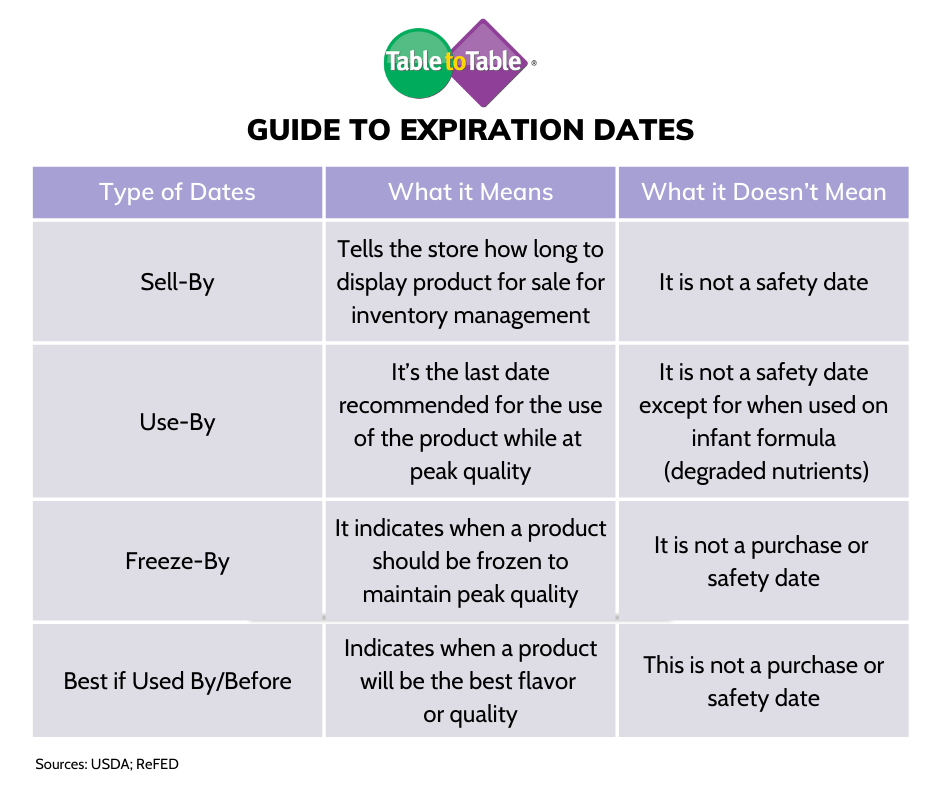
Storage is Key
Another easy way to reduce food waste is to properly store your food using good quality storage containers. Explore the best way to store different types of produce to keep them fresh for as long as possible – learn what goes on the counter, what belongs in bags, what should or shouldn’t be pre-washed. And don’t forget about your freezer. Many foods can be frozen for later use, like bread, meat, and pasta. Remember to label your containers so the contents and the date when you prepared and froze them are clearly listed.
Love Your Leftovers
Next, make a point of having an evening devoted especially to finishing any leftovers. Instead of letting them droop in the back of the fridge, try folding them into new meals. Got some roasted veggies from last night’s dinner? Throw them into an omelet for breakfast or a salad for lunch. Leftover chicken? Shred it up and make tacos or toss it into a stir-fry. Get creative and see what delicious dishes you can come up with!
Compost
Another great way to reduce food waste is to compost. Instead of tossing those fruit and veggie scraps into the trash where they’ll just end up in a landfill, you can turn them into nutrient-rich soil for your garden. Composting is easier than you might think, and it’s a great way to reduce your environmental impact while beautifying your garden.
While reducing food waste at home, you can also support your neighbors – and your planet – by getting involved with Table to Table! As New Jersey’s first and largest food rescue, our mission is to reduce food waste and provide nourishment to our food-insecure neighbors throughout Northern New Jersey. Each year, we rescue millions of pounds of fresh food that would otherwise be wasted and deliver it to partner organizations who support the nearly 1 million people in our area who need it most. Visit us at www.tabletotable.org to learn how you can get involved as a supporter, a “Food Rescue Hero” volunteer, and more.
Together, we can reduce food waste in our home and make a positive impact on the planet. Every little bit of effort—no matter how small—leads to change.
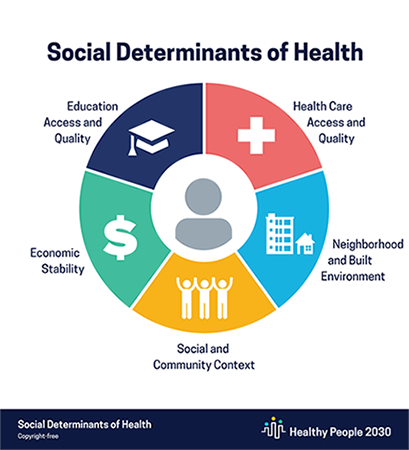
Does food insecurity play a role in health? Yes, quite simply.
If you have read or researched anything in the healthcare space lately, you must have come across Social Determinants of Health. “But, what does it mean,” you might ask? According to the U.S. Department of Health and Human Services (HHS), social determinants of health is defined as “the conditions in the environments where people are born, live, learn, work, play, worship, and age that affect a wide range of health, functioning, and quality-of-life outcomes and risks.”
The HHS explains that there are five main categories for these social determinants: Economic stability, education access and quality, neighborhood and built environment, social and community context, and health care access and quality. Although all of the categories outlined above are critical, as a food rescue, Table to Table’s mission rests upon the access of fresh, nutritious food for all. And, we are unique because we deliver wholesome, free food to hundreds of diverse partner agencies who in many cases use the money saved–from not having to purchase food–to often create programs or provide an environment that supports social and community well-being through classes, events, adjunct support and more. So, essentially, Table to Table supports both food and community.
The Brookings Institute explains that, “when it comes to food, access, consumption, and quality are all closely related to life expectancy.” For example, a recent study published in Nutrition found that both increases in healthy food expenditure and decreases in unhealthy food expenditure were associated with increases in life expectancy.” Additionally, the lack of access to wholesome food and food security are also connected to diseases like diabetes, which disproportionately impact African American and Latino communities. Lastly, there is often a geographic component to food insecurity.
As New Jersey’s first and largest food rescue, our mission is to reduce food waste and provide nourishment to our food-insecure neighbors throughout North Jersey. We rescue millions of pounds of fresh food annually that would otherwise be wasted and end up in landfills, contributing to climate change. We deliver it to partner organizations who support the nearly 1 million people in our area who need it most.
Together, we can reduce food waste in our home and make a positive impact on the planet. Every little bit of effort—no matter how small—leads to change.
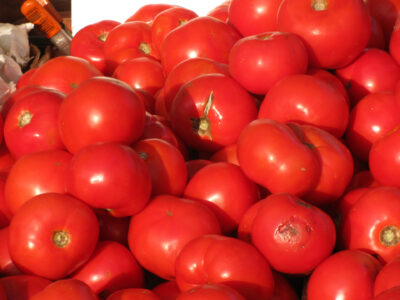
For some of us, memories of a thick slab of a home-grown Jersey Tomato, just-picked and still warm from the sun, on soft, sliced bread with a bit of salt and pepper, and a smidge of mayo brings back lazy, hot summer days from our childhood.
The sweet and tart juicy tomato we remember was most likely the Rutgers Tomato, a high-sugar, high-acid variety from the 1930s. But do today’s Jersey tomatoes taste the same?
It turns out the classic Jersey Tomato we remember was not a single variety but actually an array of varieties that did well in New Jersey’s climate and range of soil types. The end result was a sweet and tangy, flavorful tomato available throughout our growing season depending on the ripening rate of the variety. A favorite variety, the Ramapo, was introduced by Rutgers in 1968.
Although having a loyal following, it was judged too soft for long-distance shipping and commercial seed producers discontinued the production of the variety. Rutgers continued to produce small batches of the seed until they finally found a commercial seed producer who was willing to produce an amount they could afford. The Ramapo seed was re-released in 2008, 40 years after its introduction and enthusiastically welcomed by local growers and gardeners alike. Rutgers’ “Rediscovering the Jersey Tomato Project” researches what makes a tomato tasty and has brought back long lost favorite tomato varieties along with conducting tomato tastings and communicating with gardeners and farmers on growing delicious tomatoes.
The Jersey Tomato varieties are bred for their taste and not for long-distance shipping, and will not last for weeks after picking. They are vine-ripened when picked and are best eaten within days of purchase. So aside from joyfully anticipating this delicious time of year, given their relatively short shelf-life, we know that donations of these homegrown gems will be plentiful. Within hours they will be on the tables of our recipient agencies and stocking our mobile markets, ensuring that every New Jersey resident has access to the best taste of the summer!
As New Jersey’s first and largest food rescue, our mission is to reduce food waste and provide healthy, nutritious nourishment to our food-insecure neighbors throughout North Jersey. We rescue millions of pounds of fresh food annually that would otherwise be wasted and end up in landfills. This contributes to climate change. We deliver it to partner organizations who support the nearly 1 million people in our area who need it most.
Together, we can reduce food waste in our home and make a positive impact on the planet. Every little bit of effort—no matter how small—leads to change.