
back-to-top
x
close

Who doesn’t feel better after helping someone out?  Whether it’s a neighbor, a family member, or a complete stranger, the act of helping satisfies longstanding social and survival instincts. Carrying over those desires to serve others into the workspace benefits not only the individual, but also the company, and the community.

The reasons are obvious; it’s good for business, donations are tax-deductible, and it can work as a marketing initiative, but there are greater paybacks to consider when you add giving to your business model.

One of the most significant benefits to becoming a sponsor, supporter, or volunteer is the culture it can create within your organization. Giving back as part of your corporate culture can set the tone for your business as community-based, regardless of size, to prospective and current employees. As an employee, there is a greater sense that co-workers, managers, and owners are connected and will be there to support one another through the bonding created during philanthropic projects, thus, resulting in a more significant investment in their job.

While it may feel difficult to get started, some simple steps will contribute to creating an environment of giving. The first step is WHY. The decision to add charitable giving must start at the top if it is to succeed down the ladder. The purposes to give back are numerous.  It can be as simple as identifying with a cause due to personal experience such as a family illness or supporting the neighborhood you came from, to something that feels unimaginable in this day and age, like hunger.

As soon as WHY is determined, the second step is to determine HOW to give back.  Some ideas are:

  • Create a product/service where a portion of profit benefits a charitable organization. Both employees and customers can feel good about this one.
  • Donate a portion of proceeds of an existing product/service.
  • Select a time frame – monthly, quarterly, annually – for donations. Run promotions during those times for employees/customers.
  • Leverage relationships. Once you’ve identified to the organization(s) you’d like to support, reach out to those you know professionally (and personally) who you think would believe in the cause as well. Garner their involvement.
  • Leverage regular communication channels. If your organization has a newsletter, social media, or a blog, use those arenas to promote your charity of choice and help them build community awareness.
  • Participate in events. All nonprofits organize fundraising events and all events are multifaceted. Talk to the charity and find out what areas your employees can support.

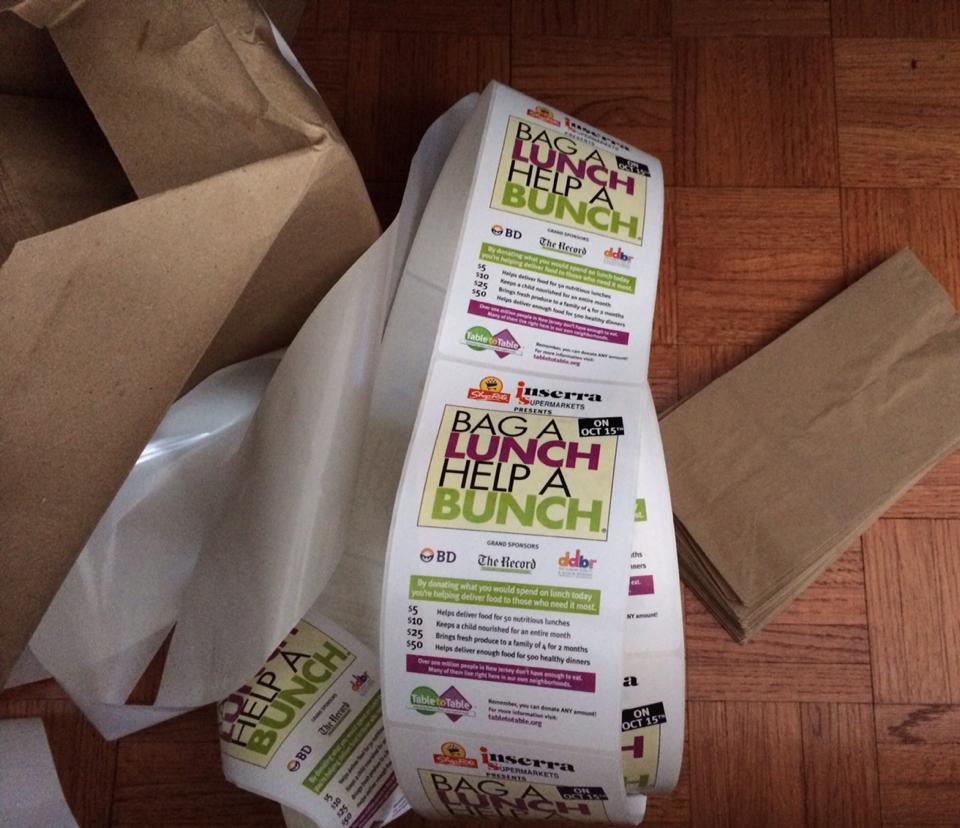
Like all nonprofit organizations, Table to Table holds many fundraising events throughout the year with varying levels of involvement.  Some are ticket purchases to our golf outing or food and wine events; some are ad buys for our cookbook.  We always have envelopes to stuff and room for volunteers at our Mobile Market in Newark.  But our ever-growing favorite is Bag a Lunch, Help a Bunch®.  It is the greatest opportunity for companies and schools to fight hunger in a measurable and meaningful way.

The Bag a Lunch, Help a Bunch® program is a grassroots initiative that asks students in schools and employees in businesses to donate the equivalent of one day’s lunch money to help Table to Table fight hunger in our communities.  It provides a simple, fun, ready-to-go program that results in a huge impact. 

What kind of impact?  Here are just a few examples: 

$5 helps deliver more than
50 nutritious lunches

$10 keeps a child nourished
for an entire month

$25 brings fresh produce to a
family of 4 for 2 months

Bag a Lunch, Help a Bunch® easily fits into the HOW question.  Want to involve employees in some or every part of the process?   As a company or school, everyone can participate in this fundraiser, from engaging employees by assembling materials prior to running the program, to organizing teams in an effort to compete for the most money raised.  Table to Table even supports outstanding achievement for teams!

Wondering about the WHY?  Here it is….

  • Because 1 in 4 NJ residents don’t have the resources necessary to provide food and housing
  • 1 in 5 kids don’t know where their next meal is coming from
  • Over 500,000 people living in the four counties we serve are food insecure

No matter how old, we are affected by hunger; babies don’t have the nutrition to develop fully, students don’t learn, adults aren’t productive, and the elderly can’t stay healthy.   Just $1 can help Table to Table get more than 10 nutritious meals into those communities that need it most.

We are here with answers to any questions you have about adding charitable giving into your business or school.   Want to participate in the Bag a Lunch, Help a Bunch® program on October 18th?  Contact Emily Force by 9/22/17 at eforce@tabletotable.org or 201.951.9798.  Giving back through Table to Table has never been easier! 
As we put a wrap on July, we realize summer will be coming to its inevitable end.  Not just because it’s hot here in Northern NJ, it’s more because Back to School sales are popping up everywhere!  Now is the time that we see the outdoor furniture section become entirely converted to a large display of notebooks, pens, backpacks and folders.  And then we realize there is a new crop of freshman getting ready to head off to college.   A new world awaits them – new ways of learning, new social interactions and, potentially, food insecurity.

The rate of food insecure students is currently growing among college campuses.  The classic cliché of surviving on ramen noodles (referenced in nearly every piece of research for this piece) is a reality for 22% of college students who have spent a portion of their past 30 days hungry.

32% percent of those students impacted said the issue affected them academically in the following ways:

  • Lack of focus, concentration, energy
  • Emotional distress
  • Academic struggles
    • Missed classes
    • Lower test scores
    • Poor grades
    • Dropped out

The fact is, the demographic of college students has changed; many are working, they are older, (the average age is 24 at Bergen Community College), some are retraining and some are struggling, post-recession middle-class parents.  “Folks are overtaxing themselves to be able to come to college.  Part of it is just the burden of the college education and the cost of living is a lot,” said Kerri Willson, who runs the Rutgers Student Food Pantry. “And then I also think what we have in our mind as the stereotypical image of who a college student is, is not a reality anymore.”  College tuitions have risen, yet financial aid has not matched the pace.  Students are not eligible for the Supplemental Nutrition Assistance Program (SNAP) benefits unless they work at least 20 hours per week or participate in a work-study program.

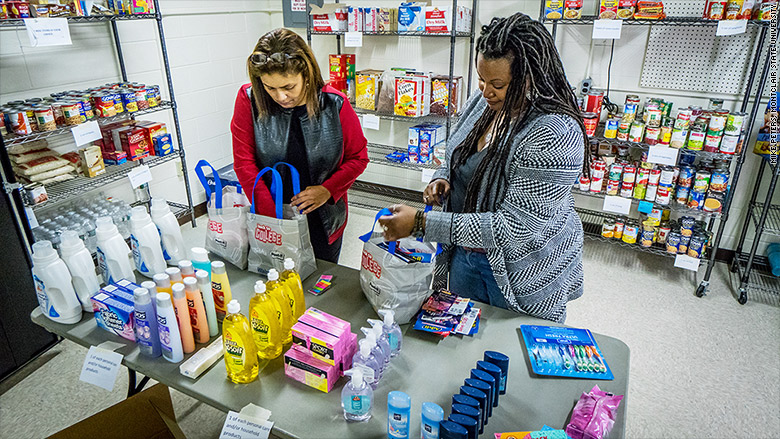
Through some recent studies*, six New Jersey colleges and universities have responded with on campus food pantries and 398+ nationally have opened to date. Montclair State University, Rutgers University, Bergen Community College, Rowan University, Stockton State University, and Caldwell University all have food assistance programs.  Stockton State has a food voucher program; all programs are set up to be discreet recognizing that shame and stigma keep many from asking for help. The College of New Jersey is also exploring ways to aid food insecure students and staff (often eligible and welcome at campus pantries).  Many food insecure students also face housing insecurity, so some of the pantries include personal care items, coats, and clothing as well.   On a single day in December, 33 students visited the food pantry at Montclair State, taking bread, cereal, milk, spaghetti, canned vegetables, and personal items like shampoo and soap.

Along with opening food pantries, campus food recovery programs can aid students by collecting some of the estimated 169,000 pounds of food wasted annually.  While still not a priority focus of these programs, Table to Table has made inroads, working with the Food Recovery Network and The Campus Kitchen at St. Peter’s College in Jersey City to not only provide fresh, nutritious meals to the community, but also to the campus. Food rescue remains the clearest, most cost-effective approach to helping resolve food insecurity and food waste.

*October 2016 by Wisconsin HOPE Lab

Image:  Fatima deCarvalho (left) and Sonja Tilman help run Montclair State’s food pantry. Photo by CNN Money.

It’s July, and we can all remember shaking off the academic mantle and feeling the freedom of summer. Even as adults, there’s a halcyon feel to the end of June. Our cares seem to lessen, and our moods seem to lift. We get out more, we relax more, and we eat more. Jersey corn and tomatoes have arrived and even sitting in traffic getting down to the shore doesn’t seem that daunting. It’s summer, and the living is easy.

That is, unless you’re one of approximately 516,704 children in the state who are eligible for school meal programs that provide daily nutrition during the school year. For these children and their families, summer can be a long stretch of hunger and uncertainty. When school ends, many receiving free and low-cost meals through their schools struggle to find enough food to make it through the day.

To fill the gap, there are many Summer Meal Programs available to low-income communities throughout NJ. 84,000 New Jersey children, on an average day in July 2016 (only 21% of those who qualify), had breakfast and/or lunch through these programs. And while we’ve seen increases across the board, efforts are underway to improve the number of overall meals and children served.

To encourage participation, organizations providing meal assistance are combining them with free recreational and learning activities offering a safe place for kids and teens. And it’s not just kickball. There are academic programs preparing children for September’s new school year. Meals and services like these will be available in 2017 at many of the 1400 expected sites. Local, county and state organizations are working to create greater awareness. This year, families can text “FOOD” to 877877 to find meal sites close to them.

But, there is one thing that can be relied upon in summer. The local agencies, shelters and pantries that consistently serve the community will see an increase in visits from families with children out of school. Regardless of what is happening on the state or federal level, the service providers within each community will respond to the increased need and weather the drain on resources in order to help as many of their neighbors as they can.

These organizations, and the individuals who seek their services, can rely on Table to Table’s trucks to be on the road, each and every season of the year, working diligently with sponsors and partners to deliver as much fresh food as possible to meet the need. Because hunger never takes a day off, neither does Table to Table.

We invite everyone who might have vacation days to use this summer to learn more about what Table to Table does in the community.  Participate by volunteering at our Mobile Market, riding in one of our trucks for the day, or hosting a Bag a Lunch, Help a Bunch event at your company or organization. School’s out for summer should be a reason for everyone to cheer!

We always notice a winning smile. It has been long observed that people’s teeth reflect and reinforce wealth or poverty, in fact, more than half of Americans believe someone with bad teeth would be less likely to land a job than a person with pearly whites. As a society, we blame bad teeth on the habits and choices of those with them, and for the poor, there is an undue shaming. Insufficient access to preventative dental care can cause serious health concerns for low-income families.

When poor communities and families struggle with food insecurity it impacts their teeth and dental health in the same ways it affects overall health. For children, it means missed school days, limited concentration due to dental pain and headaches, infections, speech impairment, and eating difficulties. It further increases the risk of poor oral health in adulthood that can lead to fewer earning possibilities. Lack of access to preventative dental care compounds these risks.

The US Agency for Healthcare Research and Quality found in 2009 that dental issues caused about 936,000 emergency-room visits and almost 13,000-inpatient hospital stays. Many of these patients had low-incomes and dental coverage that restricted care to emergencies or wasn’t accepted by accessible dentists. Untreated tooth decay and cavities develop from a simple filling to emergency care.

What’s wrong with our teeth and gums can many times signal and cause health problems. Often cardiovascular disease, celiac disease, diabetes, sinus infection, rheumatoid arthritis, irritable bowel disease, gastroesophageal reflux, alcoholism, lower birth weights, and more are a result of dental health issues, making adequate dental care much more than a luxury.

A list of suggestions for healthy teeth beyond daily brushing and flossing looks remarkably like a list for general disease prevention.  It includes many foods and nutrients missing from the diets of those who find themselves food insecure.

Keep the following suggestions in mind to upkeep the health of your teeth:

  • Eat whole foods: look for nutrient-dense foods with calcium, phosphorus, magnesium, vitamin K & K2, and vitamin D.
  • Eat raw, crunchy fruits and vegetables: these clean your teeth to a degree (think apples, carrots, bell peppers, etc.).
  • Limit sugars: from both foods and beverages. Energy drinks, in particularly are damaging as they have a shockingly high sugar content.
  • Increase arginine intake: spinach, lentils, nuts, eggs, whole grains, meat, seafood, and soy all benefit gum and tooth health.

And two things we can all benefit from that is forever connected to health-related concerns that bypasses income and wealth:

  • Regular exercise: exercise can help protect against periodontal disease, not to mention a host of other health benefits.
  • Avoid smoking: for many reasons but in addition, smoking can wreak havoc on gum and tooth health.

The importance of access to proper nutrition truly affects the whole body, and all communities deserve the opportunity to feed their families with the fresh, wholesome food provided by our donors. We continue to work on leveling the playing field between neighborhoods by bringing healthy, fresh food to over 100 agencies in 4 counties, making accessible better health, learning and job opportunities.   Hence, a winning smile!

“Breakfast”, my father always said, “is the most important meal of the day.” About one month ago, a teacher named Sara Gibson Howton posted an image of the snack cabinet she keeps in her classroom on social media and the image highlights that very point. In a survey of 1,000 public school teachers and principals, 76% say that students regularly come to school hungry, of those, 81% say it happens at least once a week. Children are coming to school that sometimes have not eaten since lunch the day before. Teachers are trying to fill in the gap spending an average of $37 per month on food for their classrooms. The money comes out of their pocket because educators know their students need nourishment in order to learn.

We wrote in a post from August 2015:

Hungry children have more social and behavioral problems, have less energy for complex social interactions, and cannot adapt as effectively to environmental stresses. The negative effects of hunger and food insecurity on children are:

  • Greater absenteeism and tardiness.
  • Impaired ability to concentrate and perform well in school.
  • Higher levels of behavioral problems and more aggression and anxiety.
  • Higher levels of hyper-activity.
  • Decreased IQs, poor problem solving, recall, memory and verbal function.
  • Lower math and reading scores.
  • Impaired social skills.

In the latest report from the Food Research and Action Center (FRAC), more than 12 million children of the 21 million who qualify for free lunch, eat free or low-cost breakfast at school. Too many miss out either because the meal is served before school starts, kids can’t get there in time or because students are too ashamed to admit their families can’t afford the basics, or their schools simply do not offer breakfast. To counteract these challenges, many schools have moved to no cost breakfasts for all students, leading the path to implementing in-classroom breakfast. Teachers who do have in classroom breakfast report that the positive results are worth the 15 minutes of class time for the meal. They are using the time to collect assignments, take role call, and read announcements. Students become  more energized and ready to learn. There is greater attendance, increased attentiveness, fewer behavioral problems, greater recall and problem solving.

School breakfast and lunch programs are becoming more important than ever. For the first time, low-income children make up more than half of all students in public schools in the US.  Within the communities we serve at Table to Table, 54% of students are eligible for school breakfast programs in Essex County, 55% are eligible in Hudson County and 57% in Passaic County.  Although Bergen County is ranked #20 of 21 counties, there is still a 26% eligibility rate.  That equates to 1 in 4 kids in one of the wealthiest counties in the country. Statewide, New Jersey has seen a 77% increase in the number of students receiving a healthy school breakfast, rising to more than 240,500 in April 2016. The progress is due to a greater number of districts serving “breakfast after the bell.”

School breakfast and lunch programs; along with SNAP benefits can give low-income children a chance at regular, healthy meals.  And whether or not these programs exist, we, at Table to Table, continue to rescue and redistribute healthy food to community organizations like La Casa De Don Pedro in Newark and St. Augustine Youth Program, Paterson, to help fill the gap in breakfast, lunch AND dinner in a most nutritious way!

Food rescue can help teachers nourish children’s minds without having to worry about their bellies.  And amazing teachers like Sarah Gibson Howton can continue to focus on educating the minds of the future.

It’s a simple concept. Pick up food and deliver it to those in need. But let’s be honest, nothing is ever really that simple. Table to Table, like all nonprofits, faces a variety of challenges each day, as we translate the idea of food rescue to actually feeding our hungry neighbors.  The daily operation of our program requires funding, which comes from sources such as special events, corporate and foundation grants, and individual donations.  And as most organizations find, success in these areas is only as good as the infrastructure it has developed and the people it has working to make it all happen.

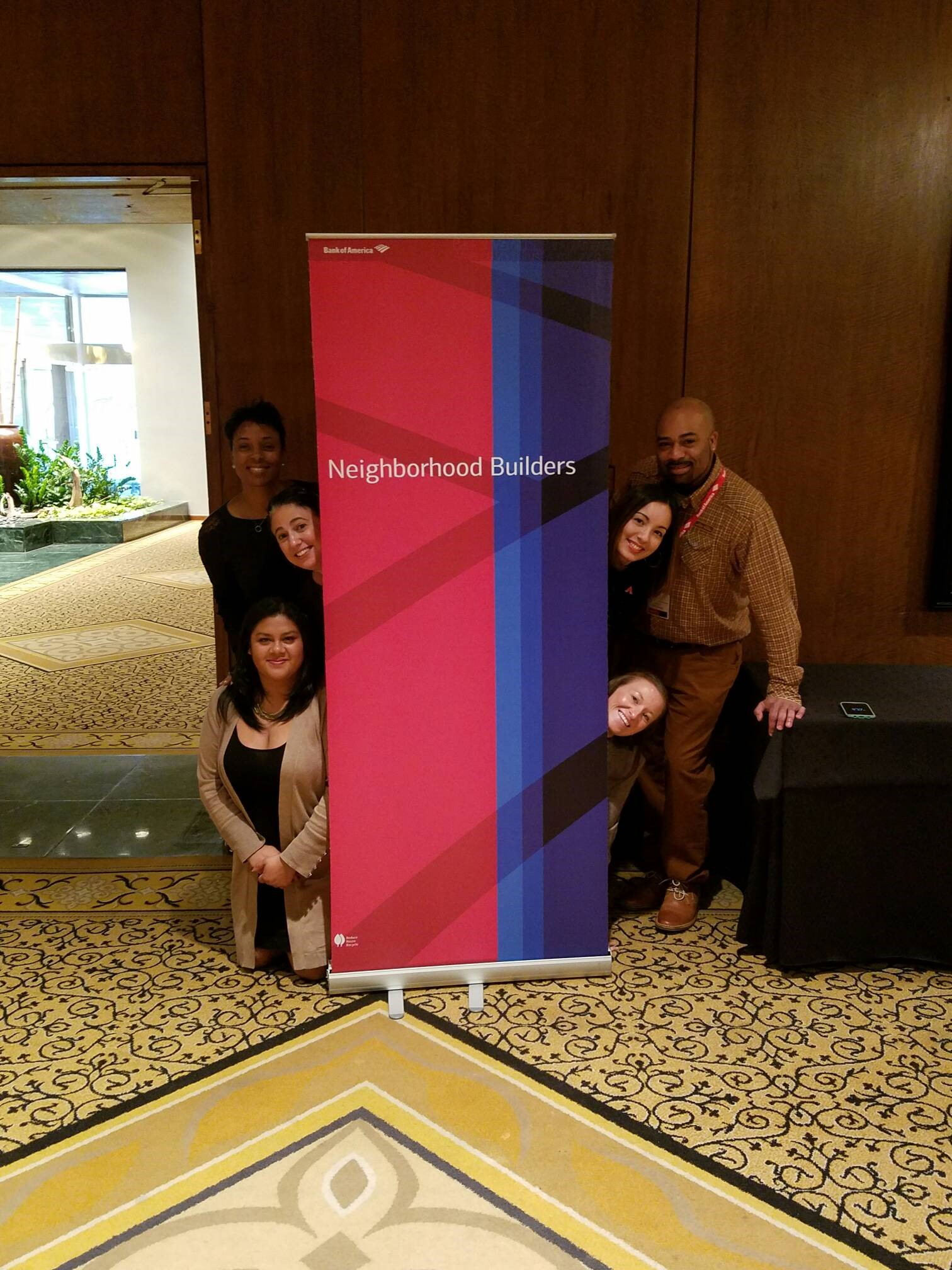
In January we excitedly announced our Neighborhood Builders Award from Bank of America. Being a recipient of this prestigious award not only provides funding for Table to Table, but also a number of Networking and Leadership events throughout the year that help to lay the groundwork for developing a solid infrastructure while enhancing the skill-sets of our staff.

Each of the approximately 80 Neighborhood Builder recipient organizations from throughout the country are invited to send their Executive Director and an Emerging Leader for a very intensive, week-long conference filled with formal workshops, informal sharing, and many networking and skill building opportunities. Held in February in Houston, Texas, the first session was attended by Emily Force, our Director of Community Engagement and Marketing Programs. Emily returned to work overflowing with information that will have a significant impact on the way she works to achieve our goals and serve our communities.

As Emily explained, “Being in an arena with peers doing similar work was beneficial beyond measure.  We learned a lot from each other and by the end of the week, I not only developed a support group filled with wonderful people to lean on, but the foundation needed to become more proficient in the work I am doing.” Emily further stated she was able to immediately put into practice many of the skills learned and most of the information gained.

Here is a look at a few of the topics covered during the first leadership meeting.

  • Leadership Inside Out – Targeting our corporate persona. Who are we as an organization and how to project that message from the moment we enter a room.
  • How to Identify & Overcome Hidden Biases – Focusing on the impact hidden bias has on decision-making, this session enabled each individual to identify the psychological preconceptions that hinder finding appropriate solutions for our individual missions.
  • Change the Story, Change the World – We all have a story. Over time, the story can get lost or diluted but the story, the raison d’être, is critical to the success and authenticity of any organization. This workshop focused on understanding and communicating why we do what we do.
  • The Power of Storytelling in Social Media Marketing – Learning to tell that story in order to create awareness.
  • Financial Sustainability – How to assess our financial position in a way that fosters financial sustainability.

Bank of America has created an extremely multi-faceted, diverse and relevant program that brings together a network of leaders from all over the country.  Each bringing to the table their expertise in a different social or human service need, everyone emerged from the week ready to bolster one another as each works to build and support their own communities.

The Neighborhood Builders program has been around since 2004.  Table to Table continues to be honored to have been selected for this award and is thrilled to be able to share its benefits with our followers, donors and recipients. Best yet, there’s more to come. Stay tuned to our social media channels and here for more about the Neighborhood Builders experience.

Growing up, the least favorite job around the house was taking out the garbage and it seemed it needed to be done daily. In adulthood, it’s still the least favorite and still too frequently needed. If there’s someone around to be convinced to take the garbage out we’re all over the offer. Wishful thinking aside, it’s a fact of life and it got us to wondering if there is a way to attend to it less often – or at the least make it more useful?

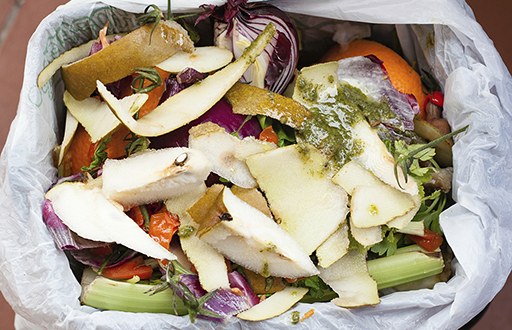
Great news! There are a number of ways to get the most out of our trash and reduce food waste. Sure, you can use food scraps for soup stocks, pestos and smoothies but we thought we’d take the idea a step or two further and bring you some easy suggestions for items we don’t generally consider useful leftovers.

That Last Drop

We all know some overage is imbedded in the cost and weight of that condiment bottle or jar, but once we get the bulk of it out it feels like there is so much left even though it’s either inadequate for a full serving or not easily removable. Use what’s left as a base for something else by adding new ingredients and shaking to loosen the dregs.

  • Peanut Butter – add soy sauce, rice wine vinegar and sesame oil for peanut sauce that can be used on everything from cold noodles to salads.
  • Mustard – add balsamic vinegar, olive oil and maple syrup for Dijon-Maple vinaigrette.
  • Nutella – add coffee, milk and ice cubes for an iced Nutella coffee.

Around the House

Food remnants can be used in the house and garden as cleaners, fertilizers and insect repellants.

  • Coffee Grounds – In the northeast we grow lots of azaleas, hydrangeas, rhododendrons, roses, and other acid-loving plants. Mix your old grounds with dead grass clippings, brown leaves, or dry straw to neutralize some of the acidity, the spread them around your plants.  Used coffee grounds add nitrogen and potassium to the soil as well as a boost of magnesium, which all plants need to stay healthy.
  • Lemon Rinds – The old diner trick to make glass coffee pots sparkle: add ice, salt and lemon rinds to an empty coffee pot; swirl around for a minute or two, dump and rinse well. Lemon rinds are equally as effective on mug stains. Put some lemon peel into a coffee stained mug, add some warm water and let sit for a few hours. Pour away and then scrub. The coffee stains should disappear.
  • Tea Bags – To clean a microwave, boil water and add a used tea bag to steep. Once cool enough use the tea water to wipe down the inside and outside of your microwave. It removes odors and adds a fresh smell to your microwave.
  • Ketchup – use the leftover in the bottle to remove tarnish and other stains on our pots and pans. Simply rub into the silver in circular motions and wash off.
  • Egg Shells – If you have problems with slugs and snails in your garden, try sprinkling crumbled eggshells around the plants where these slimy little pests like to dine.  The shells’ sharp edges deter snails and slugs by abrading the sensitive foot of any land mollusk that attempts to cross the barrier.

Every step taken toward rethinking our daily approach to food waste has an impact. Small habits grow into greater awareness that spreads throughout the community reducing environmental expenditure, greenhouse gas emissions and food waste. That awareness creates a culture of support for organizations like Table to Table that rescue food from its likely dire end – the garbage can. Last year alone, Table to Table rescued more than 11 million pounds of food from our community of donors. A full circle approach of smarter shopping, throwing away less food, reusing and recycling food scraps and waste, and supporting food rescue organizations will all work to address the crises of hunger and maintain the well-being of our neighborhoods.

Support comes as part of Bank of America’s Neighborhood Builders program which empowers high performing nonprofits to address community challenges

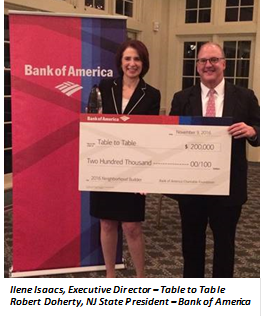
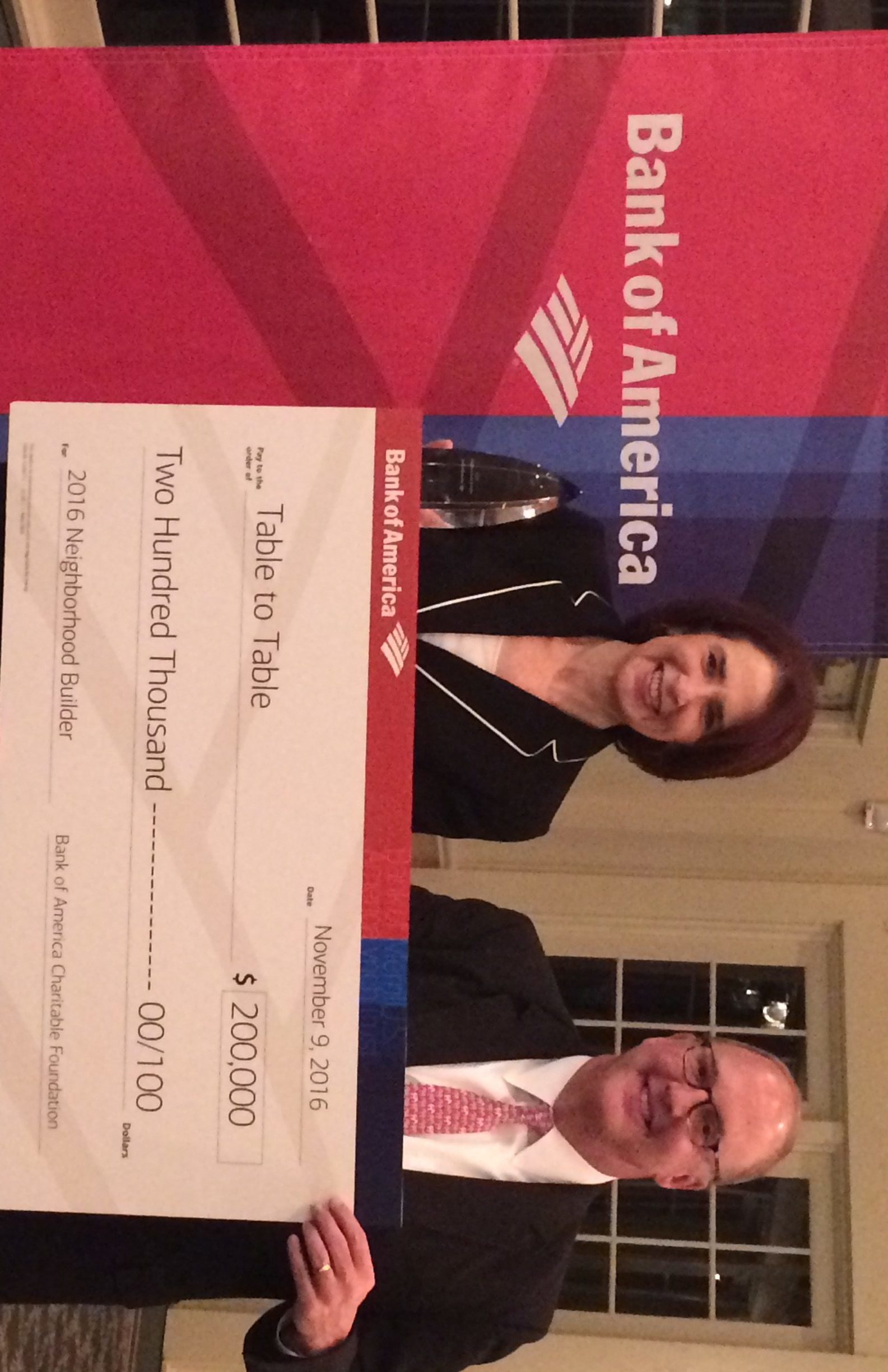
Englewood Cliffs, NJ – February 7, 2017Table to Table had an exciting end to the year, as the food rescue program was named a Bank of America Neighborhood Builder for 2016. Through the Neighborhood Builders program, the bank provides nonprofits with a unique combination of leadership development, $200,000 in flexible funding, a network of peer organizations across the U.S. and the opportunity to access capital in order to expand their impact in the community.  

As stated by Ilene Isaacs, Executive Director of Table to Table, “this Neighborhood Builders Award could not be timelier and there could be no better partner than Bank of America.  Through Neighborhood Builders, our organization will be given the opportunity to evolve strategically, creating an even stronger and more effective program.  Although our recently retired founder has laid the groundwork for continued success, there is still work to be done to transition and enhance skill sets while sustaining and growing the support of the community.  With a new database, improved IT capabilities and the addition of talented staff, our program will have the ability to reach maximum potential.  Everyone at Table to Table is committed to benefitting from every aspect of the program’s training and resources, enabling us to uphold our long term vow to be this area’s reliable source of fresh, nutritious food.”

Since 2004, through Neighborhood Builders, Bank of America has helped nonprofits create greater impact in their communities and better prepare for the future by providing the tools and resources they need to develop stronger strategic plans, chart a succession plan, navigate through tough economic times, and enhance their funding opportunities. This program is a signature demonstration of the bank’s work to address issues fundamental to economic mobility in order to build thriving communities and illustrates how strong cross-sector partnerships and local community leaders can play a meaningful role in positioning communities for success.  The awardees are selected by a local market selection committee with representation by local community leaders from diverse sectors.

Through at least three sessions, held around the country over the course of 2017, topics that present challenges to the nonprofit sector will be presented and discussed in formal and informal workshops. Leaders from all organizations who’ve received the award attend and benefit from networking, informal sharing of ideas and experiences, sharing from Neighborhood Builders Alumni and formal presentations such as access to capital, legacy planning, leadership development, and the nonprofit environment in current political climates.

About Table to Table

Table to Table is a community-based, not-for-profit, food rescue program that collects fresh and perishable food which would otherwise be wasted and delivers it to organizations that serve hungry people in Bergen, Hudson, Essex and Passaic counties in Northeastern NJ. With a fleet of refrigerated trucks, perishable food is picked up from more than 200 donors (restaurants, supermarkets, food distributors and hospital/corporate cafeterias), and then delivered to more than 100 community partners. These partners include soup kitchens, homeless shelters, elder care facilities, day care centers, homes for victims and children of domestic violence, after-school programs and pantries serving the working poor. Food is delivered on the day of donation and is provided free of charge.  Without any government assistance, Table to Table raises its own funds every year, and last year delivered enough food for more than 16 million meals.  Visit us at www.tabletotable.org.

Press Contact:

Emily Force,

Director, Community Engagement & Marketing Programs

(201) 951-9798

eforce@tabletotable.org

Some of us love winter and some of us hibernate under the covers and can’t wait for spring. No matter where you fall on the spectrum, winter is guaranteed to bring with it cold, snow, ice, and illness. It’s cold and flu season and if you’re not so lucky, winter sports injury season. Most of us are fortunate enough to have insurance and chiropractors as well as access to the nutrition that aids in the repair of muscles, and shortens or fights colds and flu.

Eating well and being rested are two weapons against cold and flu.  Although not to be taken as medical advice and something that should be discussed with your own healthcare professional, here are some less well-known options to add to your diet along with Vitamin C, Zinc and a nap:

Mushrooms: They are one of the few food sources of Vitamin D, which can reduce the risk of influenza but also shorten its duration. Mushrooms are additionally a great source of potassium, fiber, and Vitamin B and possess immune boosting anti-oxidants. Simply add to any dish from a salad (leafy greens are good for colds too) or soups (yay hot liquids!) to gain their benefits.

Anise and Fennel: These are often confused on grocery store shelves since their flavor is similar. They also have in common anti-bacterial properties, a natural expectorant function, they aid in clearing chest congestion, and soothe persistent coughs. Easily make a tea by adding 1.5 teaspoons of seeds to boiling water and steep for 15 minutes. Add anti-bacterial, anti-fungal honey to it and relax!

Garlic: You need to consume a lot of it but the benefits cannot be beat. Not only does garlic ward off vampires, but inflammation and bacteria as well. This anti-fungal, anti-microbial plant helps to boost immunity and treat colds, coughs, sinusitis and viruses. More than one source says to put crushed cloves in your socks to absorb the allisin compound.

Winter also brings with it some of our greatest and most treacherous sports. Hit the slopes with a mix of skiers, snowboarders and beginners and you’ll catch our drift. No one is immune to potential muscle injuries but they can be supported by the right food. For sore or strained muscles and DOMS (delayed onset muscle soreness) add these foods to your recovery plan – even if that means spending the rest of the weekend on the couch:

Coconut Products: Coconut oil is in everyone’s pantry these days and with good reason, but bet you didn’t know it aids in muscle recovery. Coconut oil is a good source of the fat that is instrumental to healing muscles. Because it absorbs into the bloodstream like a carbohydrate, also important for healing, it is a better option than other fats. Consume it in small portions during the day in shakes; use it for cooking – even in baked goods. Don’t forget the coconut water too. Mix with water and swig all day long for electrolyte replacement.

Protein: This one is not a revelation; most of us know that protein has building block amino acids that are important to healing muscles. Protein keeps blood glucose levels normal and is responsible for maintenance and repair. Whether shakes or steaks, add this to your diet when you’ve had a muscle injury.

Omega 3 Fatty Acids: Oily fish like Salmon, Tuna and Mackerel are rich in Omega 3 Fatty Acids. These fats aid in reducing inflammation but also help the muscles accept proteins for repair. Omega 3s will help prevent injury as well as support brain function and support the immune system to prevent and reduce the severity of colds and flu. All year long, at any age, Omega 3 Fatty Acids are a beneficial to add to your diet.

For illness and injury, drinking plenty of water is also important. It flushes our systems of toxins and waste, reduces inflammation and aids in recovery.

Our neighbors in low-income sectors of our communities may not have the access to the types of food that helps prevent and aid in illness and injury recovery. For these neighbors the price of being sick or injured is higher. Many of the jobs they hold are physical in nature and many have cobbled together a few part-time jobs that do not offer sick time. By providing our recipient agencies with foods that are healthy, fresh and nutritious we are helping create more fit communities, both physically and financially. We have a waiting list of agencies that need nutritional support. Your partnership and generosity make it possible for Table to Table to fill more of the gap, level the playing field, and ensure that everyone in our communities has the same opportunities for a healthy winter season.

Fighting Hunger with Friends: Neighborhood Builders Award

With the holiday season in our rearview mirror, our thoughts and efforts turn toward new aspirations and, dare we say, resolutions for the New Year. There is hope and promise to fine tune objectives, revisit missed opportunities, and even toss out some less than great ideas. Enthusiasm for what is possible abounds.

Table to Table is thrilled to have met our 2016 goal of 16 million meals and we are rolling up our sleeves and eager to get started to achieve 17 million meals in 2017. Working to address the problem of hunger for our neighbors in the Northern New Jersey counties we serve motivates us to get up and out at 5 am each day to pick up nutritious food from our donors and deliver it to neighborhood agencies and churches where it is needed the most.

We’re also excited to be entering a new era as our founder reinforces her commitment to Table to Table by taking a Vice President position on our Board of Directors while stepping away from day to day operations. We are growing and changing by the moment – new voices, new trucks, more recipients – over 100 now – and great partners like Bank of America and its Neighborhood Builders Award to make it all happen.

As stated by Ilene Isaacs, Executive Director of Table to Table, “this Neighborhood Builders Award could not be timelier and there could be no better partner than Bank of America.  Through Neighborhood Builders, our organization will be given the opportunity to transition strategically, creating an even stronger and more effective program.  Everyone at Table to Table is committed to benefitting from every aspect of the program’s training and resources, enabling us to uphold our long term vow to be this area’s reliable source of fresh, nutritious food.

Through Neighborhood Builders, Bank of America honors its commitment to local communities to be a neighborhood bank invested in their needs and in moving the community forward. Since 2004, their Neighborhood Builders Award has endowed nonprofits to help them create greater impact and prepare for the future through an investment that awards $200,000 along with leadership training for nearly 100 partner organizations, nation-wide, each year. This year, Table to Table is proud to be a recipient of this award.

It’s easy to throw money at a problem and, to some extent, it does keep the wheels on the road.  But Bank of America recognizes that more is needed, so has created a program that backs the unrestricted funds up with leadership training. We cannot sum it up better than they do on their website, which states that  “Neighborhood Builders seeks to foster success throughout the communities Bank of America serves, helps nonprofits create greater community impact and better prepare for the future by providing the tools and resources they need to develop stronger strategic plans, chart a succession plan, navigate through tough economic times, and enhance their funding opportunities.”

Through at least three sessions, held around the country over the course of 2017, topics that present challenges to the nonprofit sector will be presented and discussed in formal and informal workshops. Leaders from all organizations who’ve received the award attend and benefit from networking, informal sharing of ideas and experiences, sharing from Neighborhood Builders Alumni and formal presentations such as access to capital, legacy planning, leadership development, and the nonprofit environment in current political climates.

The New Year promises to be an exciting one at Table to Table. Keep up with us here and through our social media as we travel on our Neighborhood Builders journey!