






Blog
Food Insecurity on College Campuses
Food insecurity is a significant problem that affects a large number of students worldwide on college campuses. Food insecurity is defined as the inability to consistently obtain enough reasonably priced, wholesome food. It can have a significantly impact a student’s health, academics, and general well-being.
Financial hardship is one of the main reasons why college students experience food insecurity. With housing, books, tuition, and other expenses on the rise, many students find it difficult to pay for meals, leaving little to nothing in their budgets. Additionally, providing for their dietary needs may be considerably more difficult for students from low-income families or those who are self-sufficient. Access to wholesome food is further complicated by the unpredictable schedules and time constraints that come with educational expectations, which frequently leave students with little time for work or meal preparation.
Food insecurity has profound impacts on college campuses. Physically, poor diet can result in obesity, chronic illnesses including diabetes and hypertension, malnutrition, and other health issues. Anxiety, sadness, and other psychological problems can be compounded by the stress of not knowing where their next meal will come from, which can have a negative emotional and mental impact on students. Furthermore, a student’s capacity to succeed in college and their academic achievement can both be negatively impacted by food insecurity. Students may find it challenging to concentrate in class, finish tasks, and perform well on tests as a result of cognitive function, memory, and concentration issues caused by hunger and malnutrition.
An impactful strategy is needed to address food insecurity on college campuses. Raising awareness and de-stigmatizing the problem through encouraging open discussion and offering assistance to students who require it are vital first steps.
To give students access to a variety of nutritional food options, colleges and institutions can establish programs like meal assistance programs, and food pantries. These tools must be easily available, and sensitive to cultural differences in order to fulfill the different needs of the student body.
Financial aid guidelines should also be reviewed to make sure that all students’ living costs, including food costs, are sufficiently covered. The availability of grants, and scholarships can ease financial hardships and keep students from having to decide between buying groceries and textbooks.
Another essential component of tackling food insecurity on college campuses is community relationships. By working together with neighborhood food banks, companies, and charitable groups, colleges can reach a wider audience and give college students access to more opportunities and resources.
In the end, eliminating food insecurity on college campuses involves a team effort that puts every student’s performance and well-being first. Through acknowledging the frequency of food insecurity, promoting changes in policy, and putting workable solutions into practice, we may establish a more encouraging educational setting where each student has the chance to succeed.
Note: This blog was written by Steven Faussette, a former Table to Table intern
Spread The Word
More From News

July 23, 2026
Table to Table Participates in BD Difference in a Day


July 9, 2026
Ed Trucil: Volunteer Spotlight
REAL PEOPLE, REAL STORIES.

July 1, 2026
How Much Food Will Go Uneaten This Independence Day Weekend?
More than an estimated 120 million pounds of food, worth about $400 million, will go uneaten during the upcoming Independence Day weekend....
May 12, 2026
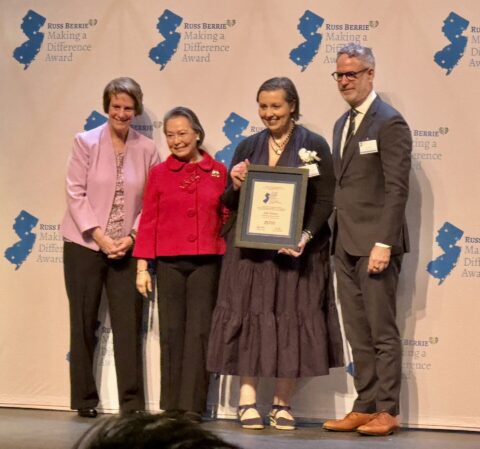
Table to Table’s Vice President of Operations Julie Kinner Honored with Russ Berrie Making a Difference Award
Julie received the Transformational Leadership Award Julie Kinner, Table to Table’s longtime Vice President of Operations, was honored with a Russ Berrie...

May 6, 2026
Food Security Groups, Officials Convene for Annual Conference in North Jersey
Editor’s note: This story was aggregated from an article by Montclair Local. Click here to read the entire article. Nonprofit leaders, government...