
back-to-top
x
close

Finally, some good news for SNAP recipients. After continued battles to cut funding to the former Food Stamp program, potential new rules will increase access to healthier options for SNAP recipients.

Let’s take a stroll back to 2014 when Congress passed the Farm Bill. It included a requirement for the Agriculture Department to develop regulations that would assure authorized SNAP retailers stock a wider array of healthy food options. Currently, 46 million low-income individuals are SNAP recipients, nearly 50% are children, 40% are households with earnings and 10% are elderly. SNAP (Supplemental Nutrition Assistance Program) is an effective and efficient way to positively impact the health of no and low income citizens.

The USDA rules would affect up to 46 million Americans who use food stamps and would not dictate what people buy or eat (alcohol and tobacco products, however, are not allowed) but will increase the healthy options available to them. According to Kevin Concannon, the USDA Undersecretary, the department is committed to expanding access to healthier foods for SNAP recipients. On February 16, 2016 the Agriculture Department proposed regulations for all authorized food stamp retailers to stock a wider variety of healthy food choices.

Here are the new regulations for an authorized retailer:

  • Must stock at least 7 varieties in each food group: The groups are fruits and vegetables, meat, fish and poultry, bread and cereal, and dairy.
  • At least 3 of the items in each group must be perishable items.
  • Required to have enough stock of each item in a group to ensure they are always readily available; the minimum is 6 units of each item. That is an increase to 168 items that are considered healthy by the USDA standard.
  • Public disclosure of disqualified and sanctions retailers for violations of the rules.

That’s a huge change from the current standard of at least 3 varieties of food in each of the four food groups and dramatically increases the opportunities for families to get out to the fast and processed food rut that lack of affordability typically pens them into.

The USDA recognizes the potential hardship for convenience stores to qualify under the new rules and wants to be sure that these rules do not inadvertently limit or inhibit the access to food retailers for low-income families. Provisions might be established to waive requirements in some areas. Urban areas like Newark and Paterson, where a food desert exists, may need these accommodations but, as the Agriculture Department improves approval processes for retailers and larger stores move into these deserts, the access to more nutritious options at the store will become a reality.

In New Jersey, a family of 4 with a monthly income of $3,739 per month qualifies for some food stamp benefits. The maximum annual income for a family of 4 is $31,525 to receive benefits and the maximum payout per month is $649 or $1.80 per meal per person. These new rules are one of many ways the USDA is working to expand access to healthy food. It is piloting incentives to purchase healthy foods at various venues like farmers’ markets and small grocery stores, to encourage increased purchase of local produce. The Farm Bill also set aside $100 million for Food Insecurity Nutrition Incentive (FINI) grants in Fall 2014 and Spring 2015 that resulted in access to farmers’ markets and direct marketing farmers. This has increased the number of authorized locations by 6,000 and it is expected that the USDA will expand these grants and programs.

Assuring that participants are not hindered in accessing food as part of these regulations is an important consideration but, an equally important part of the new rules will be the required public disclosure of SNAP retailers that are disqualified from accepting SNAP dollars or are sanctioned by the USDA for violations of the rules. “SNAP violations are a serious matter,” Concannon said. “Public disclosure of this information is intended to serve as a deterrent against retailer fraud. The information would provide the public with insight into the integrity of these businesses and individuals.” The disclosures will include the name of the store, address, officers’ and owners’ names and the nature of the violation.

Table to Table has always believed in the necessity of fresh and nutritious food for everyone. Their benefits are even more significant for people who are hunger insecure. We applaud every effort made to increase the amount of healthy, perishable food made available to the areas that need it the most. And as more and more retailers provide greater quantities of fresh food, Table to Table’s trucks will be right there to rescue any and all that is in excess, enabling us to bring even more wholesome food to the low-income communities we serve daily.
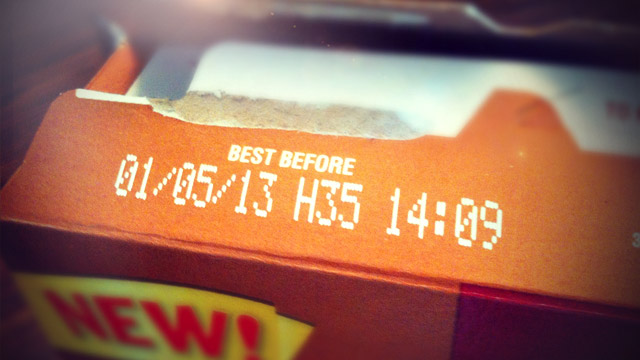
As humans, we’ve been eating for a very long time and actually cooking for about 1.9 million years. It seems that product date labeling hasn’t been around nearly as long and yet, we have survived as a species. Still, those dates scream at us, from the side, top, bottom, or in that weird fold of food packages, to resist purchasing anything too close to today’s date. Have you also felt the rising panic of not being able to find the date stamp on a package of eggs (something that is good for 5 weeks after purchase)? Even soda has a “Best if Used By” date. Soda! That stuff that urban legend says will take the paint off a car has a “Best if Used By” by date!

It’s scary to see those dates looming at us from the refrigerator and cabinets, threatening the health of our families as we try to prepare meals. But what do they really mean? Let’s replace that lightbulb in the fridge, shed some light, and take a closer look at food dating.

The first and most important step to understanding food expiration dates is to recognize that these dates are all about food quality and not about food safety. Second, there is no federal regulation for food dating (with the exception of baby formula).

Here are the types of dates you’ll find on food packaging as defined by the USDA.

  • Sell-By” date tells the store how long to display the product for sale. You should buy the product before the date expires.
  • Best if Used By (or Before)” date is recommended for best flavor or quality. It is not a purchase or safety date.
  • Use-By” date is the last date recommended for the use of the product while at peak quality. The date has been determined by the manufacturer of the product.
  • Closed or coded dates” are packing numbers for use by the manufacturer.

None of those dates speak to safety. Even the “Use-By” date is about peak quality, and that’s the date found on meat, dairy and eggs – things we perceive as the most fragile. The best way to keep food safe it to learn shelf life standards and to store it properly. Freeze meats within 2 days of purchase regardless of the package date. Know the freezer dates for meats: Lamb, pork, veal, beef, poultry are all good for 1 year frozen; ground meat for 4 months; lean fish like flounder are good for 6 months and fatty fish like salmon for 3 months. Packaged luncheon meats are fine for 2 months. Milk and dairy products are good for several days past the package date; yogurt a full 1 to 2 weeks past the package date, even once it’s opened. As mentioned above, eggs are good for 5 weeks after the package date but it is best to store them in the refrigerator not on the door where they heat up each time the door is opened. To check if an egg is good, put it in a glass and fill the glass with water, if the egg sinks it’s good, if it floats it isn’t. Canned foods are technically good forever, even with dents, as long as the seals are not broken or leaking.

The number one way to check for food’s quality, even after considering the date, is your nose. Once food has developed foul odors or flavors, or appears different in any way, it should not be used or consumed any longer. It’s a system that has been working for more than 1.9 million years. Our bodies have perfected the sense. It’s a little like using the Force.

Now that we know food dating is really about food quality, that the date on bread is really about consuming it closest to fresh baked, consider its impact on the mountain of food waste. Grocery stores are forced to throw out $2,300 worth of food on average per day due to product labeling dates. Nine out of ten Americans throw out food needlessly because of these dates, costing a typical American family between $1,350 to $2,275 per year.

Despite the origin and true meaning of these food dates, the plain fact is that tons of food that is good to eat will continue to be discarded. And that is why the service Table to Table provides is so critical. Working within our communities to redistribute food that is slated for disposal not only addresses food waste issues but, more importantly, provides access to needed food for our neighbors in Bergen, Essex, Hudson and Passaic counties. In each and every one of these counties there are people who are struggling and families that don’t know where their next meal will come from. We provide them with the healthy, nutritious food they need to remain satiated and stay healthy. Learn more about how we help at Table to Table.

They’re here! The holidays are here! October through December are the most celebratory months of the year. Once Halloween decorations go up, it seems everything is in hyper-speed on the way to New Year’s Eve. So much to do, so many people to see. Our attention goes to family and friends, love and hope, giving and charity. We want to take care of others at this time of peace and sharing. It makes sense that this is the time of year we think about those less fortunate, and why volunteerism rates go up and charitable giving increases. One of the top reasons individuals make donations at this time of the year is for that feel good moment. There’s a lot to be said for sharing our good fortune with others.

That makes the holiday giving season a critical fundraising time for not-for-profit organizations. The last three months of the year are when 34% of donations are made. Surprisingly, individual donors made up 74% of charitable gifts last year to the tune of $456.73 billion. Truly proving that every donation counts. The number one reason an individual makes a donation to any given nonprofit is simply that they are asked. Good news for charities but it can create an unpleasant experience for donors who later learn the charity doesn’t live up to expectations.

Almost unbelievably, only one third of donors do any research when considering their charitable gift. The good news is that there are a number of charity-rating services available to individuals looking to help their neighbors in need this holiday season.

One of the most prestigious is Charity Navigator, a not-for-profit charity-rating guide available for individuals to research the causes they are passionate about. Their ratings are detailed, easy to understand, and updated regularly (based each year on the organization’s 990 filing).

Unlike other rating organizations, Charity Navigator uses a two-tier classification system. First charities are defined using 11 broadly defined Categories widely recognized by most classification tools and not original to Charity Navigator. The second classification is by Cause; those are original to Charity Navigator. Thirty-five Causes have been identified throughout all 11 categories.

Each charity is assigned a category and a cause using 3 criteria –

  1. Activity code selected in the IRS filing to determine how the charity defines itself.
  2. Examination of programs and services offered to determine what the charity does.
  3. Examination of the financial information to determine how the charity functions.

Table to Table falls into the Human Services category and the Food Banks, Food Pantries, and Food Distribution cause. Here’s the full category with its causes.

Human Services

Children’s and Family Services

Youth Development, Shelter, and Crisis Services

Food Banks, Food Pantries, and Food Distribution

Multipurpose Human Service Organizations

Homeless Services

Social Services

Ratings show how efficiently a charity uses their support, sustains its programs and the level of commitment to being accountable and transparent, as well as their financial health. This gives donors an efficient way to determine an organization’s strength in its category and cause.

Let’s get it out there now -we have exciting news! We were notified last week that Table to Table has received a 4 star status from Charity Navigator for the 6th straight year AND we are ranked the #1 human services agency in the state of NJ. We could not be prouder of the hard work of our staff and volunteers.

Like every charitable organization, we rely on the support of our individual donors to help us continue to meet goals like our 15 million meals for 2015. The need for fresh, perishable food continues to grow and we are working tirelessly to meet that need. We do not charge the organizations that donate food and we do not charge recipient agencies that receive food. We do not use government funding. We rely on strong fundraising activities, our loyal volunteer base, our dedicated staff and YOU, to help us deliver nearly 40,000 pounds of food each day. Please check out our rating on Charity Navigator as you consider where to give your charitable gift this holiday season. Each dollar will provide 10 meals and you’ll be providing consistent, nutritious meals for families right here in Northern New Jersey.

We would also like to take this opportunity to thank all our supporters, big and small, without whom our mission to provide fresh, nutritious food to our neighbors who need it most could never be accomplished. We wish you a very happy holiday season and great success, health and happiness for the New Year. Thank you for being a part of the Table to Table Family!

Have you heard about #GivingTuesday yet? You will, it’s growing and it celebrates and encourages giving.

#GivingTuesday is a global social media campaign started in 2012 by the 92nd Street Y, a New York City cultural and community center that has been supporting the values of service and giving back since 1874, in collaboration the United Nations Foundation and a worldwide collection of influencers in nonprofit, civic organizations, businesses and corporations. This international initiative came together to promote the idea that we have a great capacity to care for one another. This idea to connect diverse groups in a common purpose is in its fourth year.

In that time, #GivingTuesday has achieved impressive numbers:

  • 30,000 partners in 68 countries
  • An estimated 470% increase in online donations on the Tuesday after Thanksgiving over 4 years
  • 7 MILLION twitter impressions
  • 4 BILLION global impressions in print and online
  • 40+ civic campaigns in US cities and communities – in which North Jersey is represented

#GivingTuesday messaging began on Facebook, Twitter, Instagram, Tumblr and the range of social media portals favored by Millennials. But increasingly, #GivingTuesday is being promoted in standard media, broadcast and print alike. Table to Table is working with a broad range of organizations in North Jersey to promote the campaign and highlight our needs. Look for our print ad in the December issue of 201 Magazine.

Our mission is to deliver fresh, perishable foods – meat, produce, dairy and prepared foods – to over 80 agencies that in turn provide meals, or the items needed to prepare them at home, to vulnerable children, single parent families, seniors, veterans and the working poor. Table to Table trucks pick up food from more than 200 donors throughout Bergen, Essex, Hudson and Passaic counties. The food our trucks redistribute comes from supermarkets, restaurants, catering facilities – any commercial food establishment that has excess food that is still good to eat but for some reason cannot be sold. So while feeding people, in many cases the only fresh food they receive, we are also helping our environment by limiting the waste it would create. We do this completely through the generosity of local businesses, foundations and individuals, and without government grants or funds. We rescue food free of charge for the donors and the agencies, and at the incredible cost to our organization of only 10 cents a meal.

Our trucks start and finish each day empty. They are the core of our operation and in order to add more donors and agencies we need them in peak working condition at all times. The workload is fierce for both the drivers and our trucks – out on the road all day, five days a week, through all weather, road conditions and traffic. If you live in the northeast, you know all about the traffic. Think about all that driving! Consider the cost of keeping your car on the road – the gas, insurance and the maintenance Equate that to a 20’ refrigerated truck, loaded to the gills, driving 8 hours a day. Here are some figures to keep just one truck on the road for a year:

$12,000 for fuel per year

$5,000 for 12 months of service calls

$2,500 for tire replacements

$500 to cover monthly insurance costs

And now…one of our beloved trucks needs replacing. The bill, $90,000. No leather seats.

Researching this blog, I was sitting with our Director of Recipient Relations & Community Affairs discussing #GivingTuesday when she received a call that one of the trucks had broken down. Coordinated chaos ensued to get the food redistributed. It was amazing to watch, but it also highlighted the dependency and need for these vehicles. Like most, okay all nonprofits, we accept donations for operations all year long and have a number of events and campaigns that support the organization. But the additional expense of replacing a truck is too great to absorb, making our aging fleet is a major concern.

Join us on December 1st and celebrate #GivingTuesday by making a donation of any amount to help us #getbehindanewsetofwheels. All donations made on #GivingTuesday will go directly toward the purchase of a new refrigerated truck. So many will benefit and give thanks for your generosity.

From all our drivers, staff and volunteers – have a very Happy Holiday season.

November is the dawn of the holiday season with all the time-honored notions that make up so much of our traditions. One of the most endearing is the image of the family serving meals to the needy at a soup kitchen before giving blessings for their own abundant Thanksgiving meal. Perhaps dated but enduring, thousands of people request to serve at soup kitchens and shelters every year. But what is the bigger picture of volunteerism?

Volunteers are incredibly important to the function of all charities and nonprofit organizations. A strong, dedicated volunteer force allows them to operate at lower costs allowing more money to go directly to providing services. Volunteers are needed all year long, for many organizations more so than during the holidays. Volunteering is more than serving food; it’s fundraising, recruiting membership, helping with events, day to day operations, and so much more. Plus, it’s a core value for many of us – as American as apple pie and, well, Thanksgiving. Yet rates of volunteerism are down across the country and in particular in NJ.

The national averages for volunteerism statistics for 2014 sound impressive: 62.6 million volunteers provided 7.7 billion hours of service with the value of those services at $173 billion. But this is down 1.1% from 2013, not a considerable amount until compared to the past decade which has had steady rates up or down 0.5% per year.

Where does NJ rank in volunteerism? 45th. A four rank drop from 2006 when the state was listed 41st. The national volunteer rate average is 25.6%, NJ sits at 22.4% with 155 million volunteers at 206.3 million hours of service – or $46 billion of services contributed. As one of the most densely populated states with one of the highest per capita income rates, it’s hard to imagine that NJ ranks so low.

According to statistics from The NJ Databank at Rutgers University, NJ seems prime to be at the top of the list for volunteerism with some of the toughest anti-corruption and ethics laws in the country. NJ received the highest grade in 6 of 14 fields on the corruption risk index (procurement, internal auditing, lobbying disclosure, pension fund management, ethics enforcement agencies, and redistricting) and is rated first in transparency and accountability for civic engagement.

Why, then, are volunteer rates in NJ so low? There are a number of factors to consider.

Unemployment rates in NJ have dropped this year to closely match the national average but, in 2013 and 2014, the rate was quite still quite high. New Jerseyans who are unemployed are less likely to volunteer. But the good news is that when they do, they volunteer at a higher number of hours; an average of 65 hours annually. Full-time employed Americans volunteer more and in NJ we put in 44 hours annually and the state average is 50 hours a year.

We all know NJ has some of the longest commute times in the nation and there is evidence that communities with long drives, train, and bus rides volunteer at lower rates. There just doesn’t feel like there’s enough time.

Finally, did you know there are 30,000 501(c)(3) organizations in NJ? Probably not, and that may be the biggest challenge to increasing volunteer rates – engagement and “brand” awareness. Having access to better information regarding the needs of nonprofits that meet the passions of potential volunteers could be the key to increased civic participation.

So why do you or don’t you participate in community service or civic engagement or volunteerism?

We’ve spent many an evening sitting around the table having that very discussion. The reasons are as varied and interesting as our volunteers. Some are in it for the feel good element, others are looking for ways to meet new like-minded people, and still others have time to give. All of our volunteers, to a member, participate because they are passionate about service and our mission. And thank goodness, because Table to Table operates primarily on the time, talents and treasures of our volunteer committee. Without them we would not have reached our goal of 14 million meals last year. We would not be able to put together the spectacular events that fund our programs and keep our trucks on the road. Nor would we be able to provide a meal for less than 10 cents.

Nonprofits are important to our economy and our community. They provide much needed services, improve life for residents, employ almost 10% of the population and enrich our society. As Muhammad Ali said: Service is the rent you pay for your room here on earth. Food for thought.

The holidays are upon us, Thanksgiving will be here in a blink, we’d like to take a step back and thank everyone who makes our service to our neighbors in need possible and ask anyone and everyone who would like to make a difference in the lives of others to join us in any way you can. All are welcome.

We’re into fall now and everything is pumpkin spiced and tied with a pink ribbon. Got us to thinking about how proper nutrition and managing Breast Cancer might work together. Turns out, pretty closely. There is a lot of research on foods that may aid in Breast Cancer prevention, support patients with the disease during treatment and, reduce the risk of recurrence. While food is neither the cause nor the cure for Breast Cancer, diet is thought to play a role in 30 – 40% of all cancers. Surprisingly, diet and physical activity are more significant than weight, not that obesity is absolved of responsibility here; studies have shown that women who gained weight after diagnosis had an increased risk of reoccurrence.

All that taken into consideration, a conversation about how nutrition can assist in lowering the risk of occurrence and reoccurrence of Breast Cancer is overdue. Research needs to continue but there are strong suggestions that physical activity, healthy weight and a healthy diet that is high in fiber, fruits and vegetables are important during and after treatment to reduce fatigue, build energy and maintain hydration as well as reduce the risk and/or prevent reoccurrence.

The research is showing that foods can boost immune systems, help control treatment side effects, aid in recovery after treatment, and some can make treatment more effective. While everyone should be checking with their doctor for the best prevention, treatment and care of breast cancer, below are 12 beneficial foods that should be considered.

Curcumin and Turmeric

These curry spices may have the ability to fight breast cancer tumors when used with certain drug therapies plus, they have anti-inflammatory properties. Generally, a supplement is needed for Curcumin and Turmeric to be effective for overall health.

Broccoli and Cruciferous Vegetables       

Broccoli has been shown in studies to block tumor growth, preventing the further spread of cancer. Other cruciferous vegetables like cabbage, kale, Brussel sprouts and cauliflower can have a similar effect, although to a lesser degree.

Garlic

There is evidence that garlic has an impact on cell cycling, the process in which normal cells convert to cancer cells. Allyl sulfide, also found in the onion family, is the component that helps with the regulating process. Most of the studies so far have been with supplements but adding garlic and onions daily might be a good idea. Your doctor should be consulted before adding any supplements as they can affect certain medications.

Apples

Indeed they do keep the doctor away. But don’t peel them. The anti-oxidant rich compounds and fiber needed for cancer prevention are found in the peel. Apples can also help fight the spread of cancer cells.

Pomegranates

The ancient Greeks were on to something. Pomegranates were the food of the Gods and although still in the early stages of research, they may contain a compound that fights cancer cell growth – especially that of estrogen-dependent cancers. Taken in the fruit or juice form, they also show promise in alleviating heart disease and prostate cancer.

Walnuts

Nutritional & Cancer Research Journal, reports the nutrients and Omega 3 Fatty Acids found in walnuts help to fight inflammation and may slow tumor growth.

Fish

Salmon, tuna, mackerel and sea bass are high in Omega 3 Fatty Acids and fish oils. These have been found not only to be great for skin, hair and nails as we age but, they are essential to cancer prevention. Fish is also a great source of lean protein and a good substitute for red and processed meat, something that is strongly recommended against in an anti-cancer diet. Ideally, additional fish oil supplements should be taken daily.

Flaxseed

Not flaxseed oil but the actual seed, ground or milled, is the best form to incorporate into your daily cancer prevention diet. Milled flaxseed has lignans and they may decrease cancer growth. Flaxseed is easily added to salads, muffins, oatmeal, and sauces.

Orange Fruits and Vegetables

Orange colored fruits and vegetables like carrots, cantaloupe, and butternut squash are rich in Vitamin A and Carotenoids. Orange foods are the benchmark but yellow, red and dark green vegetables host 600 different types of carotenoids. Women with higher levels of carotenoids seem to be at lower risk for Breast Cancer.

Berries, Plums and Peaches

Blueberries, blackberries, strawberries and raspberries aid in Breast Cancer prevention. Blueberries may even enhance the effect of tamoxifen, often prescribed as a Breast Cancer treatment. Research at Texas A&M found that plums and peaches have levels of anti-oxidants that rival those found in blueberries. They have 2 types of polyphenols that kill Breast Cancer cells while leaving healthy cells intact.

Parsley

Apigemin found in parsley (and celery) can inhibit cancer cell growth and has been shown to boost resistance to cancer in labs. Add several pinches to food daily.

Beans

Fiber intake helps lower Breast Cancer risk, truly, the more you eat the more the risk decreases. Research found for every 10 grams of fiber added daily, Breast Cancer risk decreased by 7%. That’s just one half to one cup of beans a day. Consider fiber sources like barley, lentils, peas, artichokes and dates.

In New Jersey, Breast Cancer accounts for 15% of all cancer cases (men and women, all types) and 7.7% of all cancer deaths. Bergen County is among the four counties with the highest rate above state average for incidents of cancer. Hudson, Passaic and Essex are among the four with the lowest below average incidents. However, no one in NJ should be too complacent as the state ranks higher than the national average.

Women in the low-income communities serviced by Table to Table face multiple challenges when confronted with the prevention and treatment of Breast Cancer. Access to proper medical screening and care is often limited, as is the information needed to construct the type of nutritional plan needed to prevent and manage the disease. Resources to provide information are scarce and even when existing, these women are living in food deserts where the most nutritional foods are not readily available due to location and high cost.

Delivering fresh nutritious foods that are essential to cancer prevention and treatment is just another good reason to support food rescue. When communities depend on their wives, mothers, aunts and sisters to raise and care for them, it behooves us to help these women stay healthy. More needs to be done at all levels of care but, at Table to Table we work daily to provide fresh, nutritious food to the most vulnerable neighbors. These cancer fighting foods are something we should all be adding to our diet to stay healthy and available to our families. By supporting Table to Table you help provide them to everyone in our community. Here’s to a happy and healthy October for all.

We live in a world where there seems to be a food related cure for anything that ails you. We juice, diet, exercise and debate the finer points of kale versus Swiss chard and which protein powders to supplement with – vegetable or whey? Since many of us grew up in a food secure environment where there were a variety of nutritious and healthy food choices, we developed healthy immune systems, physical stamina and advanced cognitive abilities. So if we didn’t want to eat our broccoli, we could have green beans instead. But we’re now several generations into a growing segment of the population that is being raised in a food insecure environment – and the cost to good health is great.

Low income families with reduced access to nutritious food face related higher health care costs, both short and long term. Poor diet leads to lower rates of physical, mental and social growth, leaving many children in low income homes unable to realize their full potential. According to research by Children’s HealthWatch, children suffer negative health and developmental effects even when the inadequate access to nutritious food occurs at a low level, meaning every bit of good food goes a long way.

Children who struggle with hunger are more likely to be sick often and recover more slowly than those who are food secure. They are hospitalized with greater frequency, up to 31% more often than food secure children, with the cost of each pediatric hospitalization totaling approximately $12,000. As previously discussed, not only are these children prone to obesity and challenges in school but also to more headaches, stomach aches, colds, ear infections and fatigue at greater rates than food secure kids. Children and teens in food insecure homes are at higher risk for eating disorders, menstrual irregularities, physical injuries, and delayed or early onset puberty.

Additionally, children and adolescents in low income homes are more likely to be affected by some very adult diseases and illnesses. Beyond obesity, heart disease and type 2 diabetes – all 30 times greater in the last 30 years for children – strokes, high blood pressure and osteoarthritis are commonly being diagnosed. In the long term these kids are at greater risk for cancers like breast, lung, esophageal, stomach, prostate, gall bladder, pancreas, colon, endometrium, kidney, thyroid, ovary and cervix as well as Hodgkin’s Lymphoma and melanoma. Many of these carry with them a burden that lasts a lifetime.

In a 2007 Journal of the American Dietetic Association study, a regular breakfast was found to directly improve physical and academic performance in adolescents. And the Journal of Current Nutrition and Food Science, also in 2007, found that breakfast could solve the problem of inadequate nutrition for millions of children.

Yet despite the importance of nutritious food to the health and well-being of children and teenagers, caregivers are typically forced into the difficult position of rationing the quality and quantity of the food made available to them. Similarly, triggered by the erratic availability of food, families are forced into cycling between food deprivation and overeating, which can lead to metabolic changes.

Eighty-five percent of low income families want to prepare healthy meals at home. Fifty percent are able to do so most days, but cite the cost of nutritious groceries as the number one obstacle they face in doing so on a regular basis. School food programs, SNAP and private agencies can help bridge the gap facing today’s low income kids. The federal government has instituted (since 2008) the Healthy Food Financing Initiative to  provide funding to develop and equip grocery stores, small retailers, corner stores, and farmers markets that sell healthy food in underserved areas.

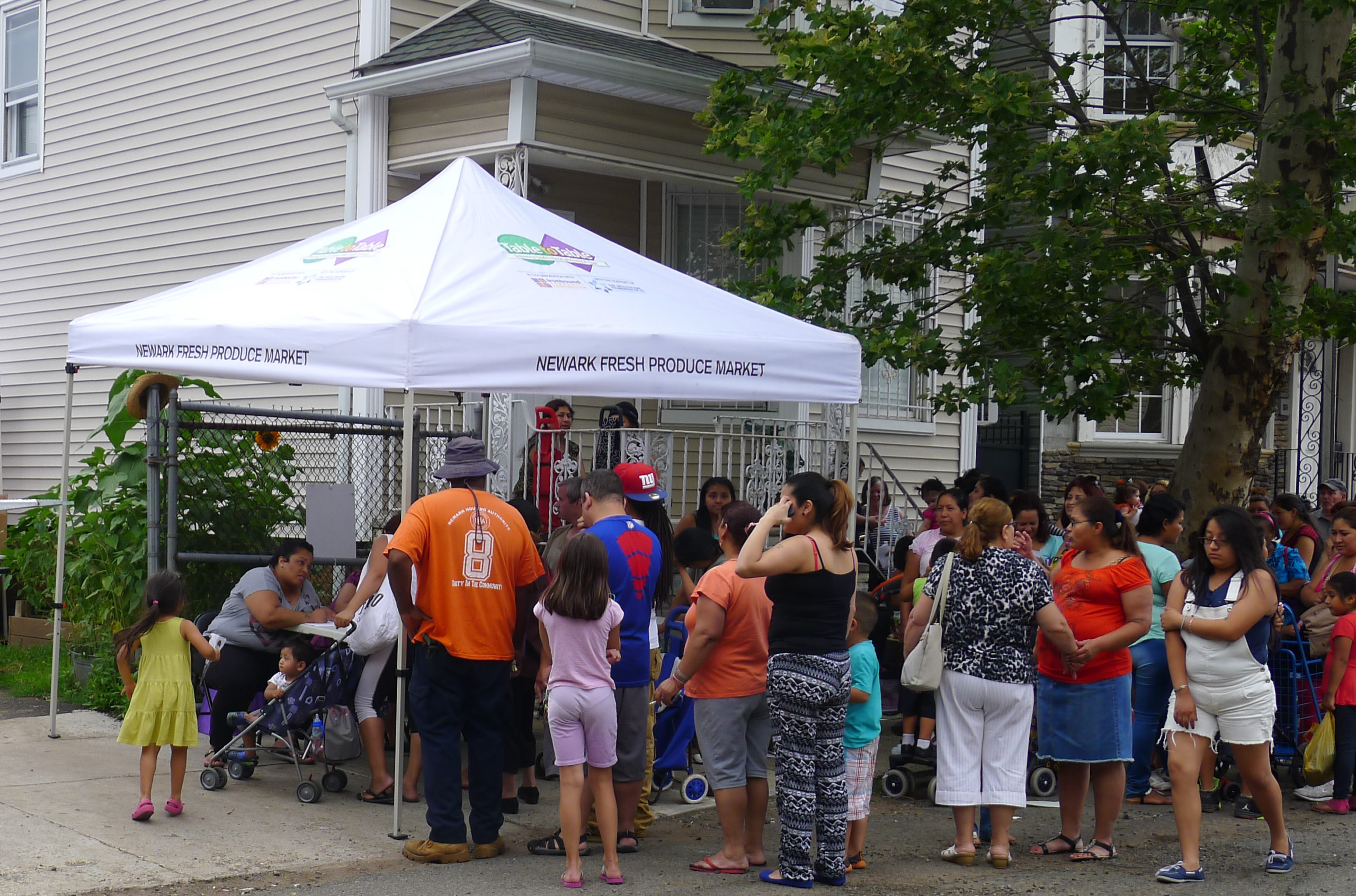
Currently, at Table to Table, we are running a Mobile Produce Market in the Ironbound section of Newark, NJ in partnership with the Ironbound Community Center (ICC). Rescued produce from HelloFresh is picked up by Table to Table each Thursday and volunteers from the ICC and the community assemble bags of fresh fruits and vegetables each week for families in need of nutritious options. Along with beautiful fresh produce, residents are given recipe tips and cooking suggestions. The Market began in April and we are now providing food weekly for upwards of 400 families. It is a successful example of how business and community not-for-profits are working together to address the lack of nutritious food available for our neighbors in need. The access to regular healthy meals is a basic step to reducing the cycle of illness that children and teenagers in food insecure communities face and gives them an opportunity to achieve more, learn more and earn more as adults.

How important is a good meal? It turns out, pretty darn important. Especially for a growing human. Poor nutrition during developmental stages of life not only affects the health of children but also can extend far into adulthood. Childhood hunger and food insecurity is an educational problem with a particular set of concerns beginning at birth and continuing through adolescence and involves 20% of American children. Insufficient nutrients lower mental performance and the impact is seen in infants and toddlers, who are two thirds more at risk than school-age children for permanent developmental delays.

Proper nutrition for infants and toddlers is critical for brain development; chronic undernourishment harms cognitive development during a very short window of time when growth is most rapid – to the extent that it can alter the fundamental neurological structure of the brain and the central nervous system. Children Healthwatch research ties iron-deficiency anemia to food insecurity. Further, deficiencies in nutrients such as choline, folic acid, zinc and iodine can impair cognitive and motor development, and these effects are often irreversible. These micronutrients have been linked specifically to early brain function. Similarly, there is growing evidence that DHA, an essential fatty acid, is a key component of the intensive production of synapses that makes the first years of life a critical period of learning and development. The stress of food insecurity on developing infants and toddlers can physically alter brain structures that control memory and psychosocial function.

Once children reach school age the impact of food insecurity and poor nutrition is devastating, not just to school performance but to the opportunities available to these children in the long-term. And this devastation is far-reaching, as the impact ripples out to affect all of us as a society. The simple fact is, hungry children do more poorly in school and have lower academic achievement because they are not well prepared for school, cannot concentrate, and lack the brain structures that are needed to develop complex school skills and later job skills.

Hungry children have more social and behavioral problems, have less energy for complex social interactions, and cannot adapt as effectively to environmental stresses. The negative effects of hunger and food insecurity on children are:

  • Greater absenteeism and tardiness.
  • Impaired ability to concentrate and perform well in school.
  • Higher levels of behavioral problems and more aggression and anxiety.
  • Higher levels of hyper-activity.
  • Decreased IQs, poor problem solving, recall, memory and verbal function.
  • Lower math and reading scores.
  • Impaired social skills.

The news gets worse for teenagers who remain food insecure. A study of food-insufficient teenagers found that they scored lower on academic achievement tests and were also more likely to have to repeat a grade or be suspended than food-sufficient teenagers. Food insecure teens are more likely to have difficulties getting along with others. Teenagers who do not finish high school face poorer health, unemployment and lower earnings. Research shows a relationship between academic achievement and economic mobility, reflecting a direct correlation between higher earnings and higher levels of education. When adolescents graduate high school it is a doorway to higher education and greater earning opportunities and financial stability. Not only do food insecure teens graduate at lower rates, setting the stage for a lifetime of lower financial stability, but research finds it also leads to a host of health related disabilities.

The good news: A 2007 Journal of American Dietetic Association study found regular breakfast consumption is linked to improved physical and academic performance in adolescence.

When breakfast is served to children of all ages the following occurs:

  • Increase in academic achievement, particularly math scores.
  • Attendance improves, less likely to be tardy. 1.5 increased days of attendance.
  • Fewer behavioral and psychological problems.
  • Increased attentiveness.
  • Better problem solving, recall, memory, verbal function, and creativity.
  • IQ increases.

Whether through school or at home, having access to nutritious meals at all times of the day is critical to childhood development and gives our nation’s children the best opportunity for a fulfilled life. 21 million children and adolescents are eligible for free or reduced price breakfast but only 12% receive it even though they qualify. Expanding participation and availability is worth the effort. Here we’ve primarily focused on the costs to education and development for food insecure kids and how important nutrition is for them to have the best chances for economic security. There is another side of the story that tells of the significant health costs of poor nutrition for children. We’ll address that next month, as the full picture brings home the impact food insecurity and poor nutrition has on our society as a whole.

Rescuing wasted food in the US can directly contribute to more access to more food for more people. Donation and delivery of excess food by organizations like Table to Table helps ease the burden of government assistance, allowing parents to give their kids the best chance to have healthy lives and financial success and to break the cycle of food insecurity and poverty.

Every week, in underserved communities in Newark and Paterson, extraordinary things are happening! The streets are filled with mothers and grandmothers, veterans and senior adults, families living in apartments and those who are homeless – all receiving bags of beautiful fresh produce for their loved ones and/or themselves. Launched initially in the Ironbound section of Newark in April 2014 and since then helping additional neighborhoods in need, our network of fresh produce markets is having a huge impact on the health and well-being of our vulnerable neighbors in northern NJ. On some days, the aroma of a particularly sweet piece of fruit floats throughout the streets as people simply cannot wait to get home to enjoy their treats.

With funding from the Healthcare Foundation of NJ, Impact 100 Garden State, Insurance Industry Charitable Foundation, Knight Family Charitable Foundation and others, exceptional fresh produce from local distributors and supermarkets is made available, at no-cost, to approximately 2,000 people. ‘Shoppers’ receive the benefits of a diet rich with fresh fruits and vegetables for themselves and their families, along with a huge serving of reassurance and hope.

Because for so many the produce being received is unfamiliar or has been forgotten over the years of absence from their meals, nutrition education is provided along with cooking suggestions and tips when receiving this exquisite bounty. And nothing is better than hearing about the carrots that were turned into carrot muffins, or heads of Boston lettuce transformed to a healthier tortilla substitute! Kudos to the dieticians from Inserra Supermarkets and the culinary team from Passaic County Community College for their innovative ideas.

An added benefit to the weekly market is the sense of community that has developed among the recipients. Along with shared cooking ideas, random acts of kindness occur weekly, such as residents carrying a bag of produce home for a sick neighbor who couldn’t make it to the market that day.

The success of the markets is directly attributable to the wonderful community partners who conduct outreach, handle the logistics and organize each week’s shopping experience. Friday markets are held at Bessie Green Community at 510 Broad Street and at the Family Success Center at 29 Cortland Street, both in Newark. On Tuesdays, markets are available at Hilltop Haven Family Shelter at 36-38 Circle Avenue in Paterson and for seniors, beginning the end of August, at 1060 Broad Street in Newark

There are many ways to get involved in this transformative program. For information contact Julie – jkinner@tabletotable.org

We’ve all heard the stat…40% of food in the US is wasted. Thrown away. Trashed. We posted here last month many of the ways food is wasted in grocery stores and food service but, consider this statistic; of that 40%, 61% occurs in the home. For a family of 4 that amounts to $114-$119 per month in out of pocket costs. Our shopping habits, storage methods, over-buying, portion size, and unwitting lack of knowledge about spoilage and what happens when we throw away our leftovers are generating ripple effects of waste through precious resources, driving up the costs of everything from food to water to gas. An average of 23 pounds of food per month, per person, is thrown away – a 50% increase from 1970. A recent study by the National Institute of Health found that a quarter of the food squandered would provide 3 meals per day for 43 million people.

Food budgets are one of the smallest pieces of our spending pie so there is little incentive to shop with greater thought toward food waste versus the cost. However, the impact of reducing our food waste at home is significant enough to make it worth the effort. Consider not only the costs, but also the environmental effects. Landfills are largely filled with food waste, which converts to methane gas that is 25% more powerful than carbon dioxide, making it far more powerful at depleting the ozone layer. Every ton of food wasted results in 3.8 tons of greenhouse gas emissions. A UK report estimates if food scraps were removed from landfills it would be the equivalent of removing 1/5 of cars and their emission from the roads. In processing New York City’s waste alone, garbage trucks make 250,000 trips throughout the city and the same number of long haul trips out of state to landfills. The average truck, with its frequent stops and idling, gets around 3 MPG.

Growing, packaging and transporting enough food to feed us and satisfy our need for abundance reduces resources like land, fertilizer, water, gas, paper and plastic. Think take-out, to-go, leftovers, displays, the need for perfection in shape, color and size, and you get an idea of the impact waste has on our food sources.

Fortunately, there are a number of simple ways to have a dramatic impact on food waste right in your own home. Here are some thoughtful ideas to create a less wasteful food environment:

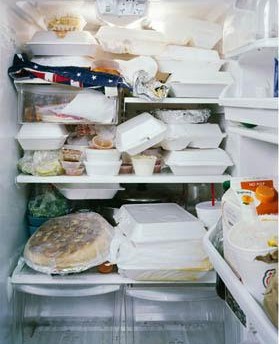
  • Shop your refrigerator:
    • Take a quick inventory of what is already in your refrigerator before heading to the store or online to shop.
    • Leftovers and take-home food stay fresh longer than we anticipate, usually up to 3-4 days.
    • Ask about smaller portion sizes or share an order to reduce take-home food. This will not only save on food waste but saves on resources. If you take it home then throw out the food and the container, it’s a double waste whammy.
    • Keep in mind that sell-by and use-by dates on food are arbitrary. There are no federal guidelines, so that milk is probably okay for several days past the sell-by date.
  • Plan Your Menus and Shop More Often:
    • Make a list and stick to it to help prevent that experiment from languishing on the shelf in the back until it’s a science project waiting for the trashcan.
    • Buy what you need for meals for just a few days at a time and shopping more often helps control over buying and waste.
    • Prepare what you need for the number of people being fed at any given meal. This will reduce the amount of leftovers lurking in the refrigerator.
    • Home delivery services are available in most areas, making it easier to find the time to shop more often right from your desk or laptop, even your smartphone.
  • Avoid Bulk Purchases:
    • They’re tempting and a great deal if you will use it all prior to spoilage. If it can’t be used for multiple purposes like stocks, preserves, freezing, etc. then they will not save money and will contribute to the excess food in landfills.
  • If the Food is Still Safe to Eat:
    • Use leftovers or food that is on the verge of “turning” for stocks, soups and stews.
    • Croutons can be made from stale bread and bagels.
    • Fruits that are ripe can be used for smoothies and jams.
    • As the popularity of juicing increases, ripe fruits and vegetables are perfect to use.
    • One of the newest trends in food this year is pickling, use ripened food and learn how to preserve them using vinegar and spices!
  • Composting is Easy:
    • Small composting units are even available for indoors.
    • It creates a compound that has important nutrients for soil and saves on food waste and landfill refuge.
  • Designate One Dinner Each Week as a “Use-it-Up” Meal:
    • Instead of cooking a new meal, look around in the cupboards and refrigerator for leftovers and food that might otherwise get overlooked but is on the verge of going bad.
    • Check cabinets and refrigerator doors for almost expired products and use them up.
    • Leftovers and to-go boxes can be reheated or used to create new dish.

As an experiment, keep a log for a week of food that is thrown away in the household. Then apply all or some of the tips above and log that week’s food waste. There should be a reduction in food waste without much effort. Imagine how this new awareness will flourish and contribute to solving what is a national crisis.

Table to Table is working daily with food purveyors and families to redistribute food that would otherwise be wasted to help feed our hungry neighbors. But every little bit that can be done on an individual basis helps in the battle to diminish food waste. Learn more about how we rescue food at https://tabletotable.org/.

#foodrescue #foodwaste #TabletoTable #compost #pickling #waste