





Blog
Reducing Food Waste is a Powerful Tool for Fighting Climate Change
It may come as a surprise, but reducing food waste does a lot more than just ensure more food for people who need it. Food waste and loss reduction is actually a powerful tool in the fight against climate change. It’s an issue that Table to Table has embraced as a core part of our mission, focusing on rescuing perfectly good food that would otherwise be discarded in landfills and redirecting it to people facing food insecurity. This approach not only helps address hunger but also mitigates environmental harm. The best part is that anyone, anywhere can make a difference by simply reducing the amount of food they waste.
The entire lifecycle of food—from growing and packaging to distributing, storing, and ultimately throwing it away—accounts for up to one-third of global greenhouse gas emissions. Within this, food loss and waste alone contribute to a staggering 10% of those emissions. By tackling this issue, we have a chance to significantly reduce our environmental footprint.
A particularly concerning aspect of food waste is the methane it produces when decomposing in landfills. Methane is a potent greenhouse gas that has a much stronger impact on global warming than carbon dioxide. However, methane breaks down relatively quickly in the atmosphere, usually within about 12 years – a much shorter time span than carbon dioxide. This means that reducing methane emissions can have a rapid and noticeable cooling effect on the planet, providing a short-term solution while we continue to work on longer-term climate strategies.
The global community has recognized methane as an urgent priority, describing it as an “emergency brake” to slow the effects of climate change. By addressing methane emissions, we can quickly lower atmospheric greenhouse gases and reduce short-term warming. Since food degrading in landfills is responsible for an estimated 14% of U.S. methane emissions, reducing food waste is an essential, immediate step to create a more sustainable and resilient future for our planet.
ReFED, a U.S.-based nonprofit that works to advance solutions to food waste, released new data with support from the Global Methane Hub that reveals the methane hotspots for uneaten or “surplus” food in the U.S., and highlights solutions that can reduce waste and slash methane emissions. Learn more here: ReFED Blog.
Since starting our food rescue mission in 1999, Table to Table has prevented more than 544 metric tons of methane gas from being released into the atmosphere. You can be part of the solution right here in New Jersey! To help reduce food waste in your community, you can claim a food rescue using our I-Rescue app or volunteer.
Editor’s note: This blog was written by Valerie Jacklin, who oversees Research & Analytics for Table to Table.

Spread The Word
More From News

July 23, 2026
Table to Table Participates in BD Difference in a Day


July 9, 2026
Ed Trucil: Volunteer Spotlight
REAL PEOPLE, REAL STORIES.

July 1, 2026
How Much Food Will Go Uneaten This Independence Day Weekend?
More than an estimated 120 million pounds of food, worth about $400 million, will go uneaten during the upcoming Independence Day weekend....
May 12, 2026
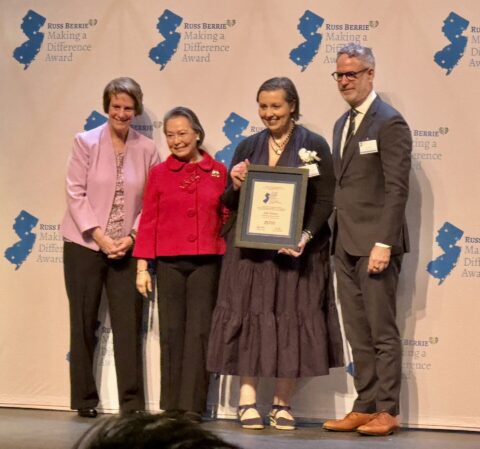
Table to Table’s Vice President of Operations Julie Kinner Honored with Russ Berrie Making a Difference Award
Julie received the Transformational Leadership Award Julie Kinner, Table to Table’s longtime Vice President of Operations, was honored with a Russ Berrie...

May 6, 2026
Food Security Groups, Officials Convene for Annual Conference in North Jersey
Editor’s note: This story was aggregated from an article by Montclair Local. Click here to read the entire article. Nonprofit leaders, government...